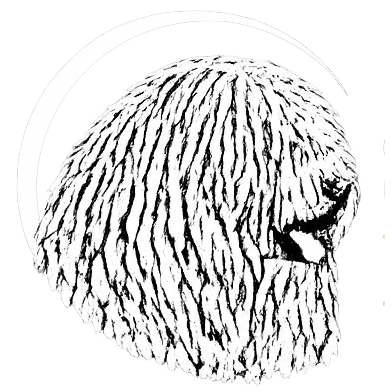

A Komondor puppy may have an unforgettable white corded coat, but appearance alone cannot tell you whether it comes from sound, carefully preserved bloodlines. When you are considering a powerful guardian breed with a long working history, knowing how to verify breeder credentials is one of the most practical safeguards you can give yourself, your family, and the dog.
A reputable breeder should welcome thoughtful questions. They do not rely on attractive photos, vague promises, or a pedigree name used as a sales phrase. Their credentials can be supported by records, independent references, a consistent breeding philosophy, and a clear willingness to remain accountable after a puppy leaves.
How to Verify Breeder Credentials Before Reserving a Puppy
Start by asking a breeder to explain their goals in plain language. A serious Komondor breeder should be able to discuss more than puppy availability. They should speak knowledgeably about the breed’s correct structure, guardian temperament, coat, health, working heritage, and the reasons behind a particular pairing.
Listen for specifics. “Champion bloodlines” can be meaningful, but only when the breeder can identify the dogs, show you where those titles were earned, and explain how the pedigree contributes to the litter. A breeder who preserves a heritage breed has a duty to make breeding decisions with the next generation in mind, not simply to produce puppies that are easy to market.
Registration is also worth understanding correctly. A kennel registration or a puppy registration certificate confirms that a dog has been entered into a registry. It is not, by itself, a guarantee of ethical breeding, health testing, temperament, or quality. Ask which registry is used, request copies of the parents’ documentation, and verify that the names, dates, and identifying information match what the breeder has told you.
For an imported Komondor, pedigree paperwork should clearly show the dog’s lineage and issuing organization. If the puppy will travel internationally, ask how the breeder handles the original pedigree, export pedigree if required, veterinary records, and any ownership-transfer documents. Experienced export breeders should be able to describe this process calmly and clearly, including what is supplied before travel and what follows afterward.
Ask for Health Records, Not Reassurance
Every breeder can say their dogs are healthy. Responsible breeders can show how they evaluate health before breeding and what they do when a concern appears in a line.
Request documentation for screening that is appropriate to the breed, the parents’ ages, and the standards used in the breeder’s country. For a large, athletic guardian breed such as the Komondor, orthopedic health is a reasonable subject to discuss. Ask about hips and other relevant evaluations, as well as eye, cardiac, genetic, or other testing the breeder uses in their program. The exact testing approach can vary by country and by bloodline, but a thoughtful breeder should be transparent about what has been tested, what the results mean, and where the limits of any test remain.
Read the documents rather than accepting a cropped image or a verbal description. Look for the dog’s registered name, microchip or tattoo number where applicable, date of testing, examining organization, and final result. If a result comes from an established registry or veterinary laboratory, confirm it directly through the issuing body when possible. This small step helps protect buyers from altered certificates and misunderstandings caused by similar dog names.
Health credentials should also include honesty. No breeder can promise that a living animal will never face a medical issue. What distinguishes a conscientious breeder is a long-term pattern of screening, careful selection, full disclosure, and responsible support if a concern arises.
Examine the Pedigree for More Than Famous Names
A pedigree is a family record, not a decoration. It gives you a way to ask better questions about the dog you may bring home.
Ask to see several generations and have the breeder explain the dogs behind the names. Were they evaluated in conformation events, used as working guardians, known for steady character, or recognized for producing correct type? Are the same ancestors repeated closely, and if so, what was the reason for that breeding decision? Linebreeding is not automatically irresponsible, nor is an outcross automatically better. What matters is whether the breeder understands the genetic and practical trade-offs and can explain them without defensiveness.
For Komondors, correct type is inseparable from function. A sound dog should have the physical ability, confidence, and stable protective instinct expected of the breed. Be wary of a breeder who presents excessive fearfulness, uncontrolled aggression, or poor structure as evidence of a “strong guard dog.” True guardian character requires discernment and stability, not instability.
If titles are listed in the pedigree, ask for context. A championship earned under recognized judges may show that a dog was evaluated against a breed standard, but it does not replace health testing or good daily temperament. Working ability, family compatibility, and show achievement each reveal different parts of the picture. The best breeding programs consider all of them.
Verify Reputation Through Independent Sources
A breeder’s own website and social media can help you understand their program, but credentials deserve outside confirmation as well. Ask for references from owners whose dogs are adults, not only from people who brought home a puppy last week. Long-term owners can speak more meaningfully about health, temperament, coat development, breeder communication, and support through the demanding adolescent stage.
You can also ask whether the breeder participates in recognized breed clubs, dog shows, working-dog communities, or breed preservation activities. Participation alone does not make someone ethical, yet it can provide useful accountability and a record that exists beyond a sales page. Where show results, kennel awards, or public testimonials are mentioned, look for names, dates, locations, and details that can be independently checked.
Pay attention to the breeder’s pattern of communication. They should ask questions about your property, household, prior dog experience, plans for training, and expectations for a guardian breed. A Komondor is not a casual purchase or a universal fit. A breeder who will sell one to anyone without discussing containment, socialization, grooming, and management is placing convenience ahead of the dog.
See How the Dogs Live and Behave
Whenever possible, visit in person. Observe the adult dogs from a respectful distance and notice their condition, movement, cleanliness, and response to the breeder. You are not looking for a room full of dogs who greet every stranger like retrievers. Komondors are naturally reserved and watchful. You are looking for dogs that appear cared for, securely managed, and stable within their environment.
If an in-person visit is not realistic because you are purchasing internationally, request a live video call rather than relying only on edited clips. Ask to see the mother with the litter, the puppies’ living area, and adult dogs in ordinary surroundings. A trustworthy breeder will protect biosecurity and may limit visitors around young puppies, which is sensible. Still, reasonable transparency should be available.
Notice whether the breeder can describe each puppy as an individual. Serious placement involves more than choosing by color, size, or the first photograph that catches your eye. The breeder should discuss energy level, confidence, social development, and the kind of home each puppy may suit.
Read the Contract Before Money Changes Hands
A clear written agreement is part of breeder accountability. Review it before placing a deposit, particularly if the puppy is being reserved from another country. It should identify the puppy or planned litter, purchase terms, health provisions, registration status, breeding or show rights if applicable, and responsibilities on both sides.
For international placements, the agreement should also address travel arrangements. Ask who coordinates veterinary preparation, vaccination timing, health certificates, crate requirements, flight scheduling, and customs documents. Responsible transport is more than getting a puppy onto a plane. It requires attention to age requirements, weather, welfare, and paperwork in both the country of origin and destination.
Be cautious of pressure to send payment immediately, requests for unusual payment methods, reluctance to provide a contract, or repeated changes to the story about where a puppy is located. Other warning signs include multiple unrelated breeds always available, no documented parents, refusal to answer health questions, and photos that appear copied or inconsistent. A lower price is rarely a bargain if it comes with missing records, weak support, or an unsuitable dog.
Credentials Matter Because the Relationship Continues
The best answer to how to verify breeder credentials is not found in one certificate. It comes from a body of evidence: documented health work, traceable pedigree records, independently visible achievements, honest communication, proper contracts, and a breeder who stays involved because the breed matters deeply to them.
At Somogyi Betyár Kennel, that responsibility begins with preserving the true Hungarian Komondor and continues with careful guidance for every home that receives one. Choose a breeder whose records deserve your scrutiny and whose commitment still feels present long after the puppy arrives.