Key takeaways
- The sensitive socialization window runs from adoption until roughly 3 to 4 months of age, so a Komondor adopted at 8 weeks has only a few weeks left in the prime period.
- Veterinary guidance supports starting structured socialization at 7 to 8 weeks, once a puppy has had one set of vaccines at least 7 days prior.
- Behavioral problems, not infectious disease, are the leading cause of death in dogs under three years old, which is why early exposure matters more than isolation.
- Komondors were bred to guard independently, so deliberate, positive socialization is the main guard against fear-based aggression and over-guarding.
Good Komondor socialization means deliberately exposing your puppy to people, dogs, sounds, and places during a short window that largely closes by 3 to 4 months of age. Get it right and you raise a steady guardian that can tell a friend from a threat. Skip it and you risk a fearful, over-guarding adult that weighs well over 100 pounds.
Komondors were bred to protect livestock alone, making decisions without a handler nearby. That independence is the breed's gift and its risk. A puppy that never learns what is normal will treat the ordinary world as a threat. This guide walks through why socialization matters so much for guardian breeds, what to expose your puppy to, how to time it, and how to keep it going for life.
Why Komondor Socialization Is Critical for Guardians
Behavioral problems, not infectious disease, are the number one cause of death for dogs under three years of age, according to a position statement from the American Veterinary Society of Animal Behavior (AVSAB, 2008). For a livestock guardian breed, most of those behavioral problems trace back to a puppyhood with too little exposure to the everyday world.
The Komondor was built to guard a flock with no commands from its owner. That means your dog is making its own calls about who belongs and who does not. A confident, well-socialized Komondor makes good calls. An under-socialized one treats the mail carrier, the vet, and the neighbor's child as intruders.
Socialization does not soften the guarding instinct. It sharpens the judgment behind it. The goal is a dog that stays calm around normal life and reserves its considerable size and voice for things that genuinely warrant it. That calm baseline is what keeps a guardian safe to live with.
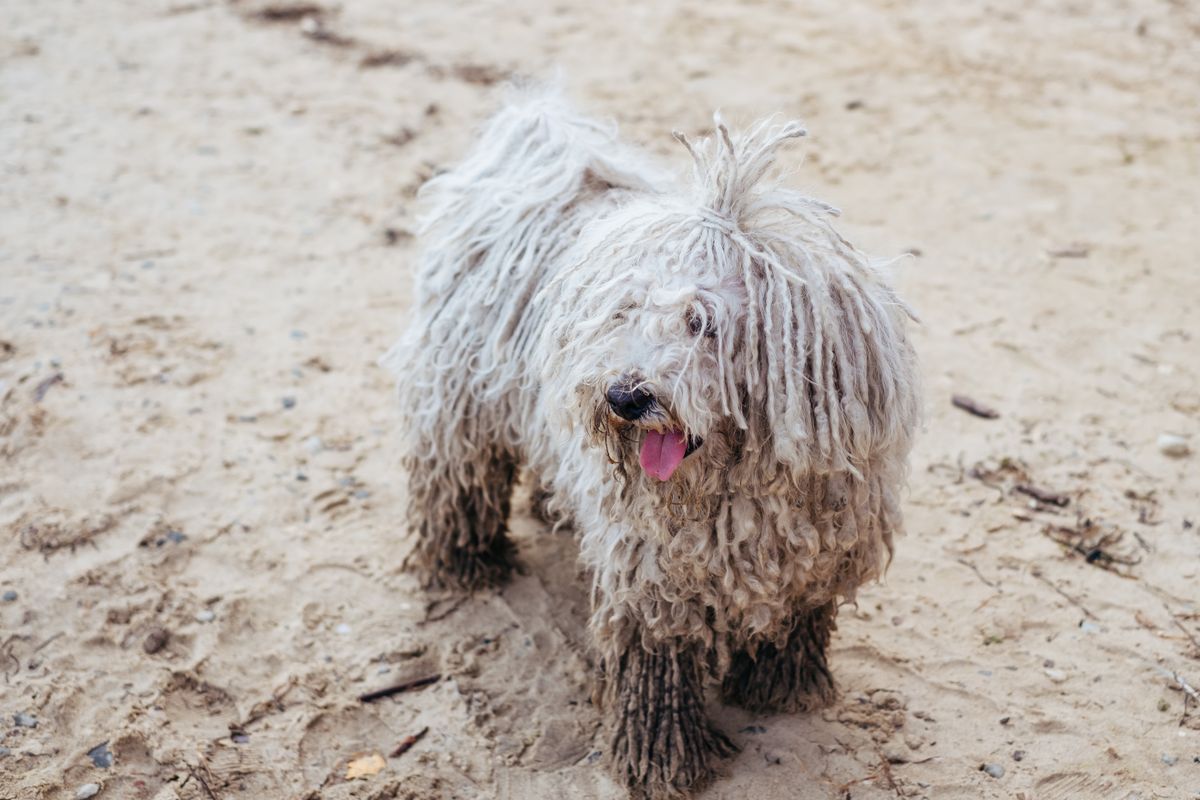
If you are still deciding whether this breed suits your household, our guide on Komondor temperament explains the guarding drive in more detail.
What to Expose Your Puppy To: People, Dogs, and Places
Aim for variety, not volume. A Komondor puppy needs to meet many different kinds of people, encounter calm and healthy dogs, and experience a wide range of places and surfaces while the brain is still wired to accept new things as normal.
Build a simple checklist and work through it over the weeks you have. Useful categories include:
- People who look different: men with beards, people in hats and hi-vis, children, people using canes or wheelchairs, delivery workers.
- Other animals: calm, vaccinated adult dogs, and whatever livestock the puppy will eventually guard.
- Places and surfaces: gravel, metal grates, stairs, the car, the vet waiting room, a quiet street.
- Sounds: traffic, vacuum cleaners, thunderstorm recordings, farm machinery.
Keep every encounter positive and let the puppy approach at its own pace. Pair new things with treats and praise. Never flood a nervous puppy by forcing contact, because a bad experience during this window can leave a lasting fear.
Handling belongs on the list too. Touch the paws, ears, and that future corded coat often, so grooming and vet visits stay easy. Early handling pays off later, once the cords form and routine coat care becomes part of life.
Timing: The Key Developmental Window
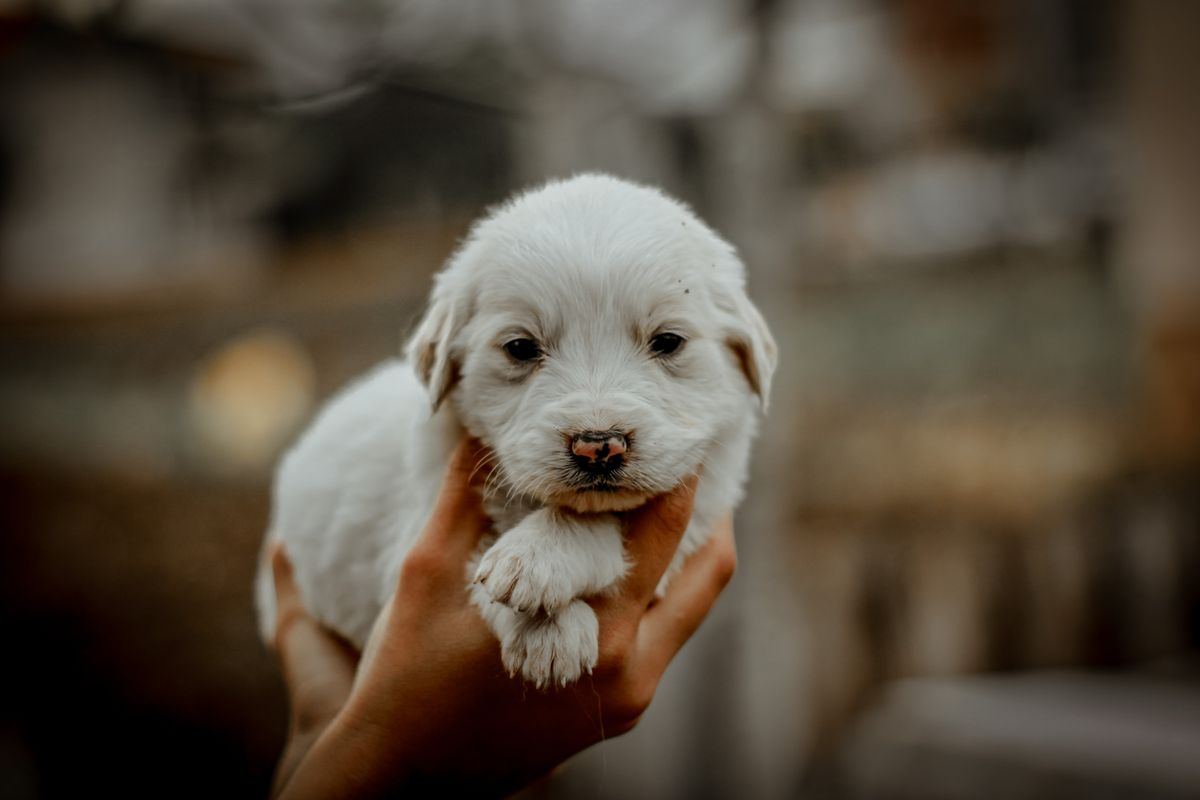
The prime socialization window runs from the moment you bring your puppy home until roughly 3 to 4 months of age, when the brain is most open to new experiences (AVMA, 2008). A Komondor adopted at eight weeks has only a handful of weeks left in that prime period, so the clock starts the day the puppy arrives.
That tight timeline raises a common worry: should you wait until every vaccination is finished before taking the puppy out? Veterinary behavior guidance says no. The AVMA notes that puppies can begin structured socialization, including classes, at 7 to 8 weeks of age, provided they have had at least one set of vaccines about a week beforehand.
The reasoning is a trade-off. The behavioral cost of missing the window is greater than the manageable disease risk during these weeks. You reduce that disease risk with sensible choices: clean, controlled environments, healthy and vaccinated dogs, and carrying the puppy through high-traffic areas rather than letting it sniff unknown ground. Waiting four extra months to be fully safe from parvovirus can cost you the behavioral foundation you cannot rebuild later.
Avoiding Fear and Over-Guarding
Fear and over-guarding grow from the same root: a puppy that never learned a particular thing is harmless. When a Komondor meets something new for the first time as an adult, its default is suspicion, and in a guardian breed suspicion can escalate fast. Early, positive exposure writes "normal" into the puppy's map of the world before fear fills the gap.
Watch for quiet warning signs rather than obvious ones. A puppy that freezes, tucks its tail, backs away, or fixates and stiffens is telling you it is over threshold. Stop, add distance, and let it recover before trying again at an easier level. Pushing through these moments is how a cautious puppy becomes a reactive adult.
Keep three habits in mind:
- Reward calm, never corner the dog. Heavy-handed pressure produces a stubborn, unhappy Komondor, so let the puppy choose to engage.
- Manage first impressions. A single frightening encounter with a person or dog can generalize, so set up easy wins.
- Normalize visitors early. Guests who arrive, settle, and are ignored teach the puppy that people entering the home are not an event.
Because the Komondor decides for itself how to respond, your job is to stock it with enough good experiences that its decisions stay reasonable. Positive methods are not optional for this breed. Socialization and training work hand in hand, so build both around the guarding instinct rather than against it.
Ongoing Socialization Into Adulthood
Socialization is not a box you tick before four months and forget. The prime window builds the foundation, but a Komondor that stops meeting new people and places can slide back toward wariness, especially through the second fear period that many large breeds pass through around adolescence.
Keep the exposure going at a lower, steadier pace. Regular outings, occasional new visitors, and continued handling all keep the dog's social muscles working. A mature Komondor will naturally grow more discerning about strangers, and that is fine. What you are protecting against is the slide from discerning to reactive.
This matters most around the dog's eventual job. A guardian that will live with livestock or watch over a rural property should keep meeting the vet, the farrier, delivery drivers, and the occasional guest throughout its life. Confidence maintained is far easier than confidence rebuilt.
At Mykomondors, we begin gentle socialization with our litters before they leave for their new homes, and we coach every international buyer on continuing the work through the critical window. A puppy from health-tested, well-bred stock still needs that human investment to become the steady guardian the breed can be.
Start today. Pick one new, easy experience for your puppy this week, pair it with something the puppy loves, and add the next one once that is comfortable. Then read how to prepare your home for a Komondor puppy so the environment you socialize into is set up for success.
Frequently asked questions
When should I start socializing my Komondor puppy?
Start as soon as the puppy is home. Veterinary guidance supports structured socialization from 7 to 8 weeks, once a puppy has had at least one vaccine set a week earlier.
Is it safe to socialize a puppy before vaccinations are complete?
Yes, with sensible precautions. The behavioral risk of under-socialization outweighs the disease risk, so use clean, controlled settings and healthy, vaccinated dogs rather than waiting until every shot is done.
Can an adult Komondor still be socialized?
Yes, though it is slower. The prime window closes around 3 to 4 months, but steady, positive exposure throughout adulthood keeps a Komondor confident and prevents over-guarding from hardening into habit.
Will socialization weaken my Komondor's guarding instinct?
No. Socialization teaches a Komondor to tell normal from genuinely threatening. A well-socialized guardian is calmer and more reliable, not less protective of its family or stock.