
Key takeaways
- A reputable Komondor breeder shows written health screening results for both parents and welcomes you into the kennel to meet them.
- Backyard breeders push fast sales, avoid questions, and cannot produce hip, eye, or pedigree documentation.
- Champion lineage signals that a breeder meets a judged standard for structure and temperament, not just coat looks.
- Most responsible breeders produce few litters a year and screen buyers as carefully as buyers should screen them.
- For an international purchase, confirm the export pedigree and health paperwork before any deposit changes hands.
A reputable Komondor breeder proves their work on paper and in person: documented health testing for both parents, a transparent pedigree, and an open invitation to visit the kennel and meet the dogs. If a seller cannot or will not give you those three things, keep looking. This guide walks you through exactly what to check so you can tell a serious breeding program from a casual one before you commit to a puppy that will live with you for the next decade.
The Komondor is a large, powerful livestock guardian with a demanding corded coat and strong protective instincts. Choosing the right breeder shapes the health, temperament, and lifelong stability of your dog more than almost any other decision you make.
Red Flags of Backyard Breeders
The fastest way to find a reputable Komondor breeder is to learn what an irresponsible one looks like. Backyard breeders are rarely malicious. They simply lack the knowledge, testing, and standards that protect the breed.
Watch for these warning signs:
- Pressure to buy quickly. A breeder who pushes a deposit before you have seen the parents or the paperwork is prioritizing the sale over the puppy.
- No health testing. If the seller cannot name the specific screenings done on the sire and dam, the testing almost certainly did not happen.
- Many breeds or constant litters. A kennel advertising several breeds, or puppies available year-round, is running volume, not a careful program.
- No questions for you. Serious breeders interview buyers. Indifference about where the puppy goes is a red flag.
- Refusal to show the kennel or the dam. Meeting the mother on site is one of the clearest tests of legitimacy.
- Prices that seem too good. A properly bred, health-tested Komondor reflects real cost. A bargain usually means a corner was cut.
Volume breeding is the opposite of the responsible norm. The Royal Kennel Club reported in January 2025 that 80 percent of breeders registered with them produce just one litter a year, with an increasing number breeding only once every five years. Low litter frequency is a feature of careful breeding, not a limitation.
Health Testing and Pedigree Transparency
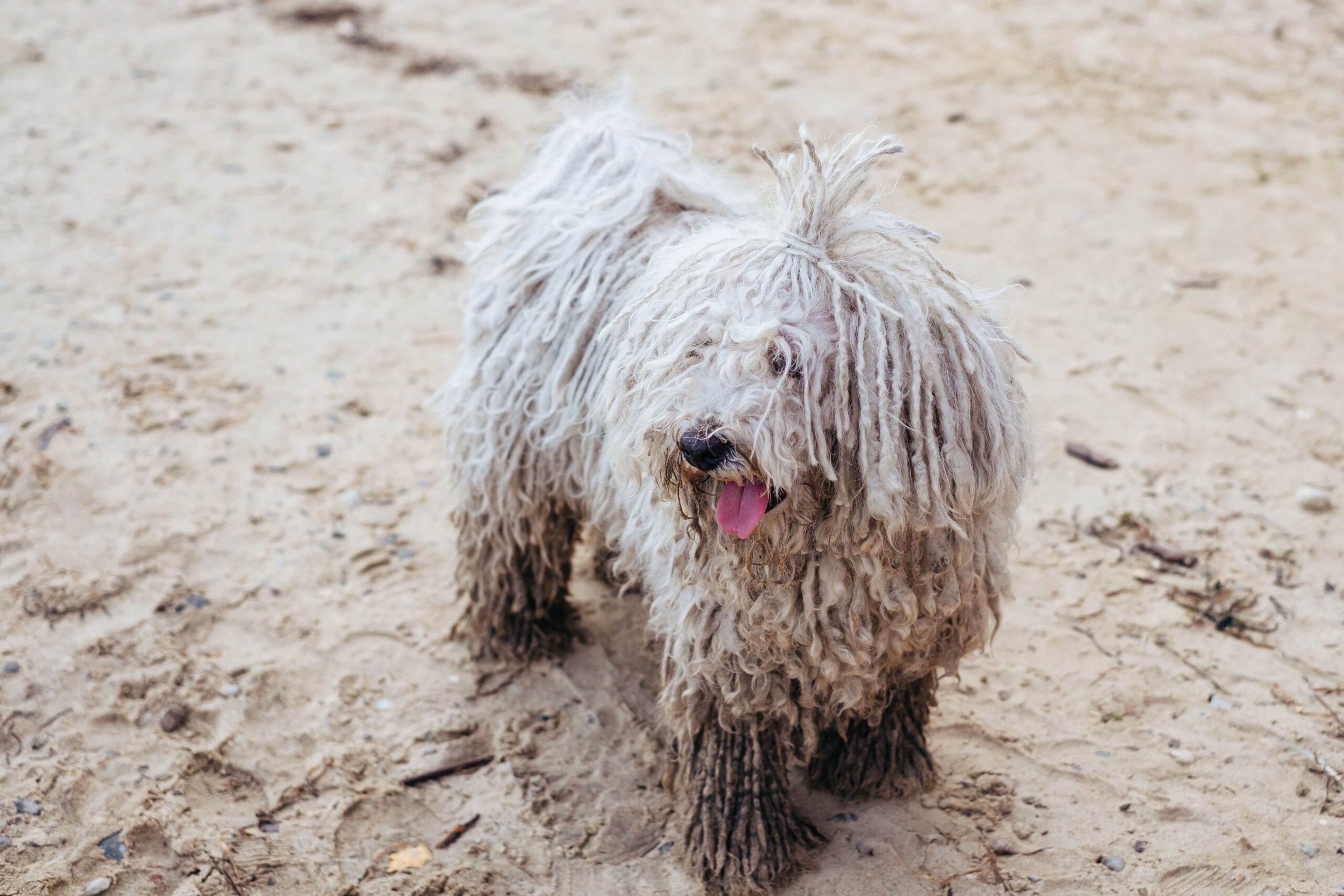
Health testing is where good intentions become verifiable facts. The Komondor is a giant breed, and giant breeds carry orthopedic and other inherited risks that responsible breeders screen out generation by generation.
Ask any breeder to show written results for both parents covering, at minimum, a hip evaluation, an eye examination by a veterinary ophthalmologist, and a dentition check. You can read the breed overview and official standard on the American Kennel Club's Komondor page to understand what a correct, sound dog should look like. A breeder who screens properly will hand you copies before you even ask twice.
Pedigree transparency matters just as much. A pedigree is the documented record of a dog's ancestry, and it tells you whether a breeder is tracking lineage deliberately or breeding at random. Ask to see at least three generations. If you are buying from another country, the paperwork becomes even more important, and our explainer on understanding export pedigrees for Komondor puppies covers what international buyers should confirm before a deposit.
At Mykomondors, every litter is bred from health-tested parents with full export pedigrees, which is the standard any international buyer should expect rather than a bonus.
Visiting the Kennel and Meeting the Parents
Documents tell you what a breeder did. A visit tells you how they live. Whenever possible, see the kennel in person, and when distance makes that impractical, insist on a live video walkthrough.
During a visit, pay attention to:
- Cleanliness and space. The dogs should have room, clean water, and a calm environment.
- The dam's temperament. Komondors are naturally wary of strangers, but the mother should be stable and well-handled, not frantic or aggressive.
- How the puppies interact. Confident, curious puppies that have been handled daily are a sign of real socialization work.
- The breeder's relationship with the dogs. A breeder who knows each dog's quirks is invested in them as animals, not inventory.
Meeting at least the dam, and ideally both parents when the sire is on site, lets you preview the adult temperament your puppy may grow into. Temperament is largely shaped before you ever take a puppy home, so ask the breeder how they socialize each litter during its first weeks.
Questions Responsible Breeders Welcome
A reputable breeder treats your questions as a sign that you will be a good owner. The questions below separate breeders who want a lifelong relationship from sellers who want a transaction.
Bring these to every conversation:
- What health tests did you run on the sire and dam, and may I see the results?
- How many litters do you produce in a year, and how often does this dam breed?
- How are the puppies raised and socialized before they leave?
- What is your contract, and do you take a dog back if the placement does not work?
- Can you connect me with families who bought from previous litters?
- What support do you offer after the sale, especially for coat care and training?
The answers matter, but so does the tone. A breeder who answers openly, admits what they are still learning, and asks you just as many questions in return is one you can trust. A breeder who gets defensive is telling you something important.
Why Champion Lineage Matters
Champion lineage is often misunderstood as a vanity label. In a working guardian breed, it is a useful quality signal. A championship title means independent judges evaluated a dog against the written breed standard for structure, movement, coat, and temperament. Those traits are exactly the ones that affect a Komondor's health and working ability over a long life.
Champion lineage is not a guarantee on its own. A beautifully titled dog still needs the hip, eye, and dentition screening described earlier. What champion ancestry does tell you is that the breeder participates in a community that holds dogs to an external standard rather than breeding in isolation. That accountability tends to correlate with the other markers of a serious program.
The structure a judged standard protects also underpins the breed's real job as a livestock and property guardian. A sound build and a stable temperament are what let a Komondor work calmly and live comfortably for many years.
Finding a Reputable Komondor Breeder You Can Trust
Start your search by requesting three things from any breeder you contact: written health results for both parents, a multi-generation pedigree, and an invitation to visit or video call the kennel. Any breeder who provides all three without friction has already passed the most important test. Use the question list above on your first call, and treat your own gut reaction to the breeder's openness as real data.
If you are buying internationally, confirm the export pedigree and health documentation in writing before sending any money, and ask how the breeder handles safe transport. A reputable Komondor breeder will welcome every one of these steps, because the same care you are showing is the care they put into the dogs.
Frequently asked questions
What health tests should a Komondor breeder provide?
Ask for hip evaluation results, an eye examination by a veterinary ophthalmologist, and a dentition check for both parents. A reputable breeder keeps these on file and shares copies without hesitation.
How can I tell a reputable Komondor breeder from a backyard breeder?
A reputable breeder screens for health, welcomes a kennel visit, and asks you many questions. A backyard breeder rushes the sale, hides the parents, and cannot produce documentation.
Does champion lineage really matter when buying a Komondor?
Champion titles show that independent judges evaluated the dog against the breed standard for structure and temperament. It is a useful signal of a serious breeding program, though it does not replace health testing.
Can I trust a breeder I can only reach online?
Online contact is fine for international buyers, but insist on a video call through the kennel, references, and verifiable health and pedigree documents before sending money.
How many litters does a responsible Komondor breeder produce?
Most responsible breeders produce only a small number of litters each year so they can socialize, screen, and place every puppy with care.