
Key takeaways
- Keep the first days quiet: one calm room, a predictable routine and few visitors help a Komondor puppy settle faster than a busy welcome.
- Feed the same food your breeder used, on a set schedule, and take the puppy to the same toilet spot after every meal, nap and play session.
- Introduce family and resident pets slowly and one at a time, since the Komondor is a guardian breed that reads early experiences carefully.
- Book the first vet check within the first few days home to confirm health and stay on the vaccination schedule.
- A puppy that is 3 to 14 weeks old is in the critical socialization window, so gentle, positive exposure now shapes the adult dog.
Your Komondor puppy's first week home goes best when you keep things calm, predictable and low on surprises: one quiet room, a steady feeding and potty routine, gentle introductions, and a vet check booked within the first few days. That slow start helps a guardian breed feel secure and sets the habits you will rely on for years.
A Komondor is a large, independent livestock-guardian dog, so first impressions carry weight. The puppy is watching how your household moves, who belongs, and what the daily rhythm feels like. This checklist walks through each part of the first week so you can give your Komondor puppy a confident start without overwhelming it.
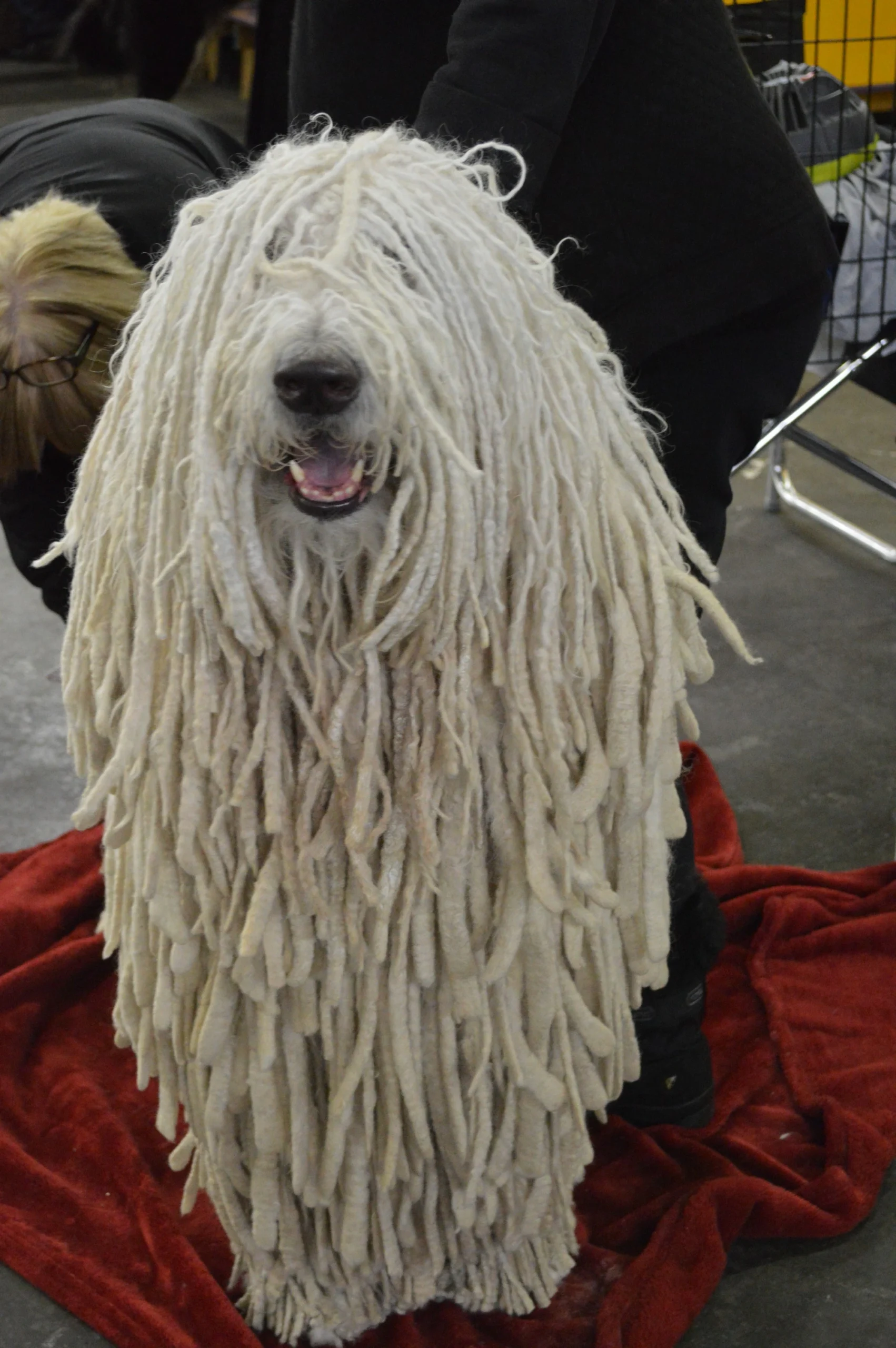
Settling your Komondor puppy in calmly: the first week starts quiet
The first hours home should be quiet. Bring your Komondor puppy to one prepared room with a crate or pen, water, a bed and a couple of safe chew toys, then let the puppy explore that small space at its own pace. Resist the urge to invite the neighborhood over. A tired, overstimulated puppy struggles to settle, and a guardian breed especially needs time to decide the new place is safe.
Keep your own energy low and steady. Sit on the floor, let the puppy approach you, and avoid crowding or constant handling. Short, positive moments beat long, exciting ones in these early days.
A few things that help the first day:
- Give the puppy a worn piece of your clothing so your scent is familiar.
- Keep noise, music and television low.
- Limit the puppy to one or two rooms rather than the whole house.
- Let it nap whenever it wants. Puppies sleep a great deal and need the rest.
If you have not finished puppy-proofing, do it before the puppy arrives. Sort out the hazards and supplies in advance so the first day stays calm.
Feeding and potty routine
Keep feeding simple and consistent in week one. Use the same food your breeder fed, served at the same times each day, because a sudden diet change on top of a big move often leads to an upset stomach. If you plan to switch brands later, do it gradually over a week or more once the puppy is settled.
A young Komondor puppy usually eats three to four small meals a day. Set regular meal times, put the bowl down for 10 to 15 minutes, then pick it up. This builds a rhythm and makes house-training far easier to predict.
Potty training starts the moment you arrive home. Take the puppy to the same outdoor spot often, and always reward success calmly right after it happens. Young puppies have small bladders and limited control, so expect frequent trips.
Take your puppy out:
- First thing in the morning and last thing at night.
- After every meal and every drink.
- After waking from any nap.
- After play sessions.
- Roughly every hour or two in between during the day.
Accidents will happen. Clean them with an enzymatic cleaner so no scent lingers, and never punish the puppy after the fact. Rewarding the right spot teaches far faster than scolding the wrong one.
Introducing family and other pets
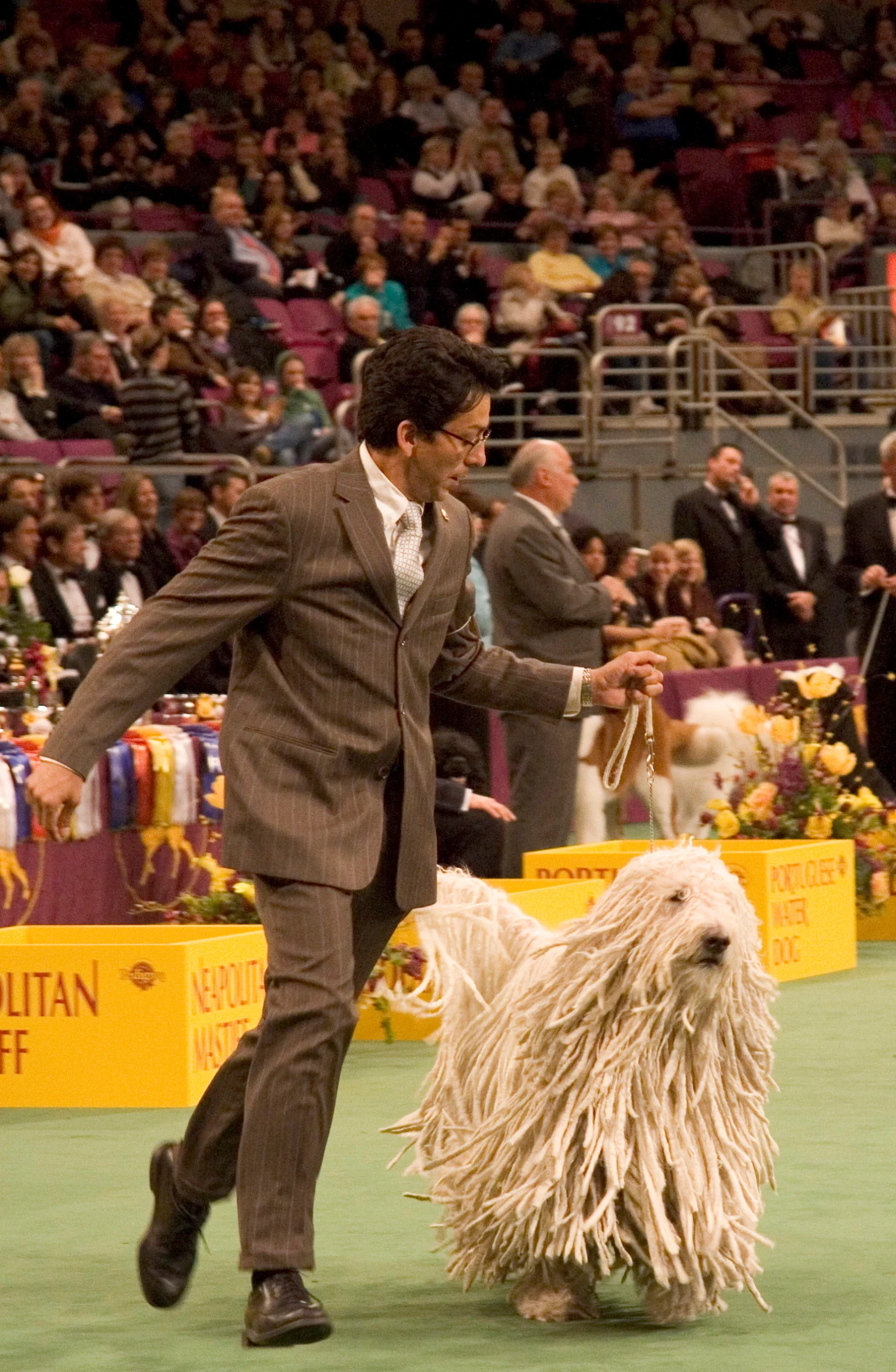
Introduce your household slowly and one person at a time. Ask children to sit quietly and let the puppy come to them rather than reaching, grabbing or chasing. Calm, supervised greetings teach a Komondor that people arriving is normal and safe, which matters a great deal for a breed bred to guard.
If you have resident pets, go gradually:
- Let the animals smell each other's bedding before they meet face to face.
- Make first meetings short, on neutral ground, with both animals on lead or safely separated.
- Watch body language and end the session while it is still relaxed.
- Keep feeding areas and resting spots separate at first.
Timing is on your side right now. Veterinary guidance points to a critical socialization period between 3 and 14 weeks of age, when puppies are most open to learning about their environment, according to the American Veterinary Medical Association. Gentle, positive exposure to people, sounds and handling during this window shapes the confident adult you want. You can begin safely even before the vaccine series is complete by keeping environments clean and controlled. For a breed-specific approach, read socializing a Komondor puppy the right way.
Early boundaries and sleep setup
Set a few simple rules from day one and keep everyone in the house consistent. Decide early which rooms and furniture are off limits, where the puppy sleeps, and how greetings happen. A Komondor is intelligent and independent, so clear, kind boundaries now prevent confusion later when the dog is large and strong.
Make the crate a good place rather than a punishment. Feed treats and meals near or inside it, keep the door open during the day, and let the puppy choose to rest there. Short, positive crate sessions build a dog that settles willingly.
For sleep, puppies need a lot of it, often resting for the majority of the day between bursts of activity. Protect that rest:
- Place the crate or pen somewhere quiet but not isolated.
- For the first nights, keep it in or near your bedroom so the puppy hears you.
- Take the puppy out for a toilet break if it wakes and stirs at night, then straight back to bed with little fuss.
- Keep nighttime trips calm and boring so the puppy learns night is for sleeping.
Expect some crying the first night or two. A puppy that can hear and smell you nearby usually settles faster than one shut away alone.
When to schedule the first vet visit
Book a veterinary wellness check within the first few days home. A new puppy should be examined early so your vet can confirm it is healthy, review the breeder's health and vaccination records, check for parasites, and set the schedule for upcoming vaccines and deworming. Bring any paperwork your breeder provided to that appointment.
The first visit is also the moment to flag anything you have noticed: appetite, energy, stools, coughing or limping. Early questions are cheaper and easier to resolve than late ones. A reputable breeder sends a puppy home with clear records, which is one reason our guide to choosing a reputable Komondor breeder stresses documented health testing.
Every Mykomondors puppy leaves our kennel with an export pedigree and health-testing records, so your vet has a clear starting point from day one. Keep that paperwork together in one folder along with your vet's notes, and you will have a tidy health history as your Komondor grows into the large, watchful guardian the breed is known for.
Your clear next step: before the puppy arrives, call your veterinarian and book that first wellness visit for the first few days after homecoming. Walking in the door with the appointment already set is the single easiest way to start week one on the right foot.
Frequently asked questions
How long does it take a Komondor puppy to settle into a new home?
Most puppies start to relax within three to seven days once the routine is predictable. A Komondor may stay watchful a little longer because it is a guardian breed, so patience and calm consistency help.
Should I let my Komondor puppy sleep in my bedroom the first night?
A crate or pen beside your bed for the first nights usually helps. The puppy hears you nearby, settles faster, and you notice overnight toilet signals without encouraging the dog onto the bed long term.
When should a Komondor puppy have its first vet visit?
Schedule a wellness check within the first few days home. The vet confirms the puppy is healthy, reviews the breeder's records, and keeps the vaccination and deworming schedule on track.
How often does a Komondor puppy need to go to the toilet in week one?
Expect frequent trips: after waking, after eating, after play, and roughly every hour or two in between. Young puppies have small bladders, so take them out often and reward success outdoors.
Can I start socializing my Komondor puppy before vaccinations are complete?
Yes, with care. Safe, controlled exposure during the 3 to 14 week window matters, so use clean environments, carry the puppy in risky areas, and ask your vet about early puppy classes.