

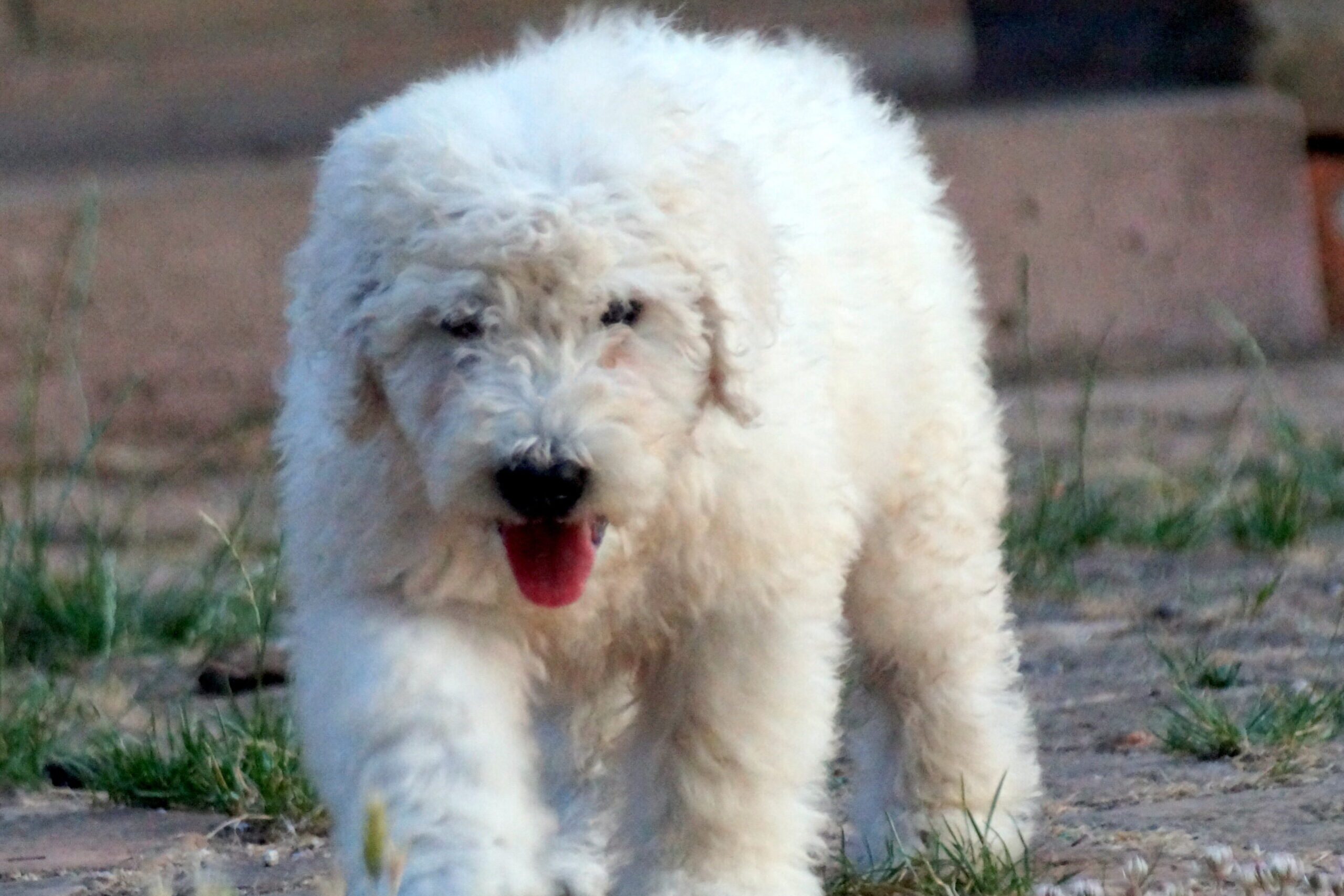
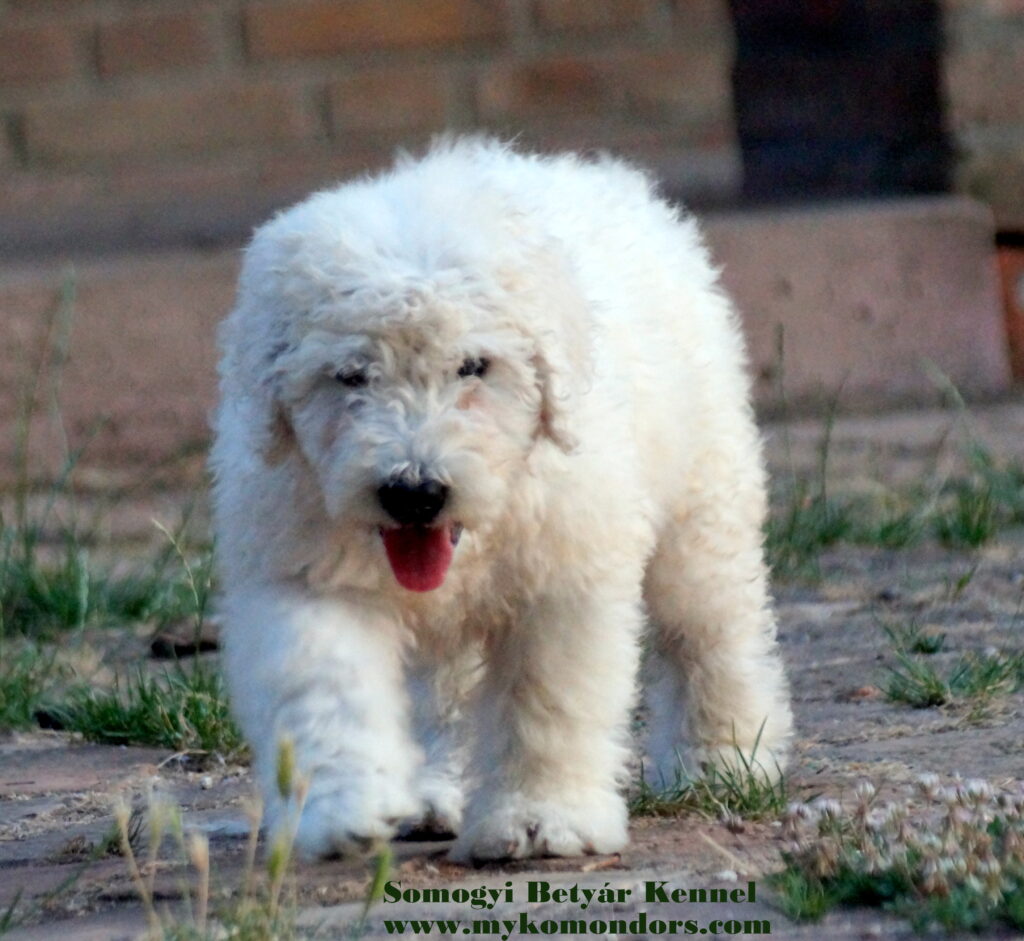
Komondor Puppy Development Stages
From newborn to young guardian, understanding Komondor puppy development stages helps future owners prepare for each phase of growth, training, and socialization.
Quick Answer
Komondor puppies grow from completely dependent newborns into confident, protective young guardians. Each stage requires proper care, socialization, training, and support from a responsible Komondor breeder.
Komondor Puppy Growth Timeline
0–2 Weeks
Newborn stage: sleeping, nursing, and full dependence on the mother.
2–4 Weeks
Transitional stage: eyes open, hearing develops, and movement improves.
4–8 Weeks
Early socialization stage: curiosity, play, and early confidence building.
8–12 Weeks
Going home stage: bonding, routine, house training, and gentle socialization.
Newborn Stage: Birth to 2 Weeks
During the first two weeks, Komondor puppies are completely dependent on their mother. Their eyes and ears are closed, and most of their time is spent sleeping and nursing.
At this stage, the breeder’s main responsibility is to provide a calm, clean, and safe environment. Early care is essential for healthy growth and strong development.
Transitional Stage: 2 to 4 Weeks
Between two and four weeks, Komondor puppies begin to open their eyes, hear sounds, and respond more actively to their surroundings.
They start moving around more and interacting with their littermates. Gentle handling during this period helps puppies become comfortable with human contact.
Early Socialization Stage: 4 to 8 Weeks
From four to eight weeks, Komondor puppies become more curious and playful. They begin learning important lessons from their mother, littermates, and breeder.
Human Contact
Gentle handling helps puppies become comfortable with people.
New Sounds
Safe exposure to normal sounds builds confidence.
Litter Learning
Puppies learn bite control and social behavior from littermates.
Going Home Stage: 8 to 12 Weeks
Many Komondor puppies are ready to join their new families around this age, depending on the breeder’s recommendations and the puppy’s individual development.
Routine
Introduce a calm daily schedule from the first day.
House Training
Begin house training immediately with patience and consistency.
Confidence
Use positive reinforcement and avoid overwhelming the puppy.
Juvenile Stage: 3 to 6 Months
Between three and six months, Komondor puppies grow quickly and become more independent. Their confidence increases, and their natural guardian instincts may begin to appear.
Training should remain calm, consistent, and fair. This is the time to strengthen basic commands, leash manners, and household rules.
Adolescent Stage: 6 to 12 Months
The adolescent stage can be challenging. Komondor puppies may test boundaries, show more independence, and become more protective of their home and family.
Training
Continue obedience training with calm consistency.
Boundaries
Reinforce household rules and clear expectations.
Socialization
Maintain structured socialization with people and animals.
Young Adult Stage: 12 to 24 Months
From one to two years old, the Komondor continues developing physically and mentally. While the dog may look large and mature, full emotional maturity takes time.
Coat changes may become more noticeable during this period. The Komondor’s famous cords develop gradually and require regular care and proper maintenance.
Why Breeder Support Matters
A trusted Komondor breeder does more than raise puppies until they are ready to leave. Good breeders help owners understand the breed, prepare for each development stage, and make informed decisions.
When looking for Komondor puppies for sale, choose a breeder who is willing to answer questions and provide support after your puppy comes home.
Final Thoughts
Komondor puppy development is a gradual journey from complete dependence to confident guardianship. With proper breeding, early care, socialization, and consistent training, Komondor puppies can grow into loyal, balanced, and protective companions.
Looking for Komondor Puppies for Sale?
If you are ready to welcome a Komondor puppy into your family, visit our available puppies page to learn more about current and upcoming litters.

2 Comments