
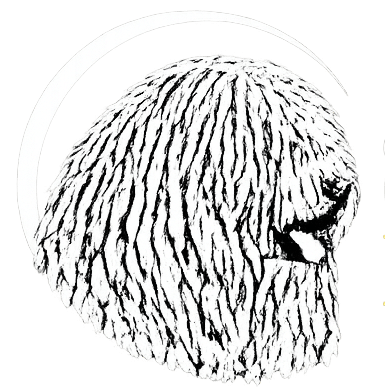

Key takeaways
- Komondor puppies are rare in Florida, so most serious buyers source from a health-tested kennel out of state or import from Hungary rather than waiting on local listings.
- A corded white coat traps heat, so Florida owners need shade, air flow, cool water, and careful timing of outdoor activity through the hot months.
- An export-pedigree puppy comes with verifiable lineage and health testing that anonymous marketplace listings almost never match.
- Dogs imported into the United States must be at least 6 months old and carry an ISO microchip under CDC rules that took effect August 1, 2024.
- Vet any breeder by confirming pedigree, hip and eye testing, a written contract, and transparent transport arrangements before sending money.
If you are searching for komondor puppies for sale in Florida, expect a short list of local options and a longer wait than you might for a common breed. The komondor is rare, so most serious Florida buyers reserve a puppy from a health-tested kennel out of state or import one with a full export pedigree from Hungary, the breed's homeland. This guide walks you through finding a puppy, preparing for the heat, reading a pedigree, arranging transport, and checking a breeder before any money changes hands.
Availability of Komondor Puppies for Florida Buyers
The komondor has never been a high-volume breed. It sits among the lowest 20 breeds for popularity in the American Kennel Club's rankings, which means litters are infrequent and reservations fill early. In a state the size of Florida, you may find only a handful of litters in a year, and quality varies widely.
That scarcity shapes how buyers behave. Rather than wait for a nearby litter that may never meet their standards, most people reserve from a reputable kennel elsewhere and arrange transport. Some go straight to the source and import from Hungary, where the breed's working lines and show lines are deepest. Mykomondors, a champion Hungarian kennel, breeds puppies with export pedigrees and health testing specifically for international buyers, including families in the United States.
Before you commit, it helps to understand what a strong purchase looks like for any location. Our broader smart buyer's guide to komondor puppies covers pricing expectations, red flags, and the questions that separate a careful breeder from a backyard seller.
Humidity and Heat Care for a Corded Guardian Coat
Florida's climate is the first thing buyers worry about, and for good reason. The komondor's famous white cords are dense felted hair that insulates against both cold and heat, but no coat removes the need for sensible management in a hot, humid state.
Heat stress is a real risk for any dog in Florida summers. The American Veterinary Medical Association notes that veterinarians treating canine heatstroke aim to stop active cooling once a dog's rectal temperature reaches 104 degrees Fahrenheit, to avoid overshooting into dangerous hypothermia (AVMA). That clinical detail underlines a simple point for owners: a komondor's temperature can climb fast, and prevention matters far more than treatment.
Practical steps for a corded coat in Florida:
- Give the dog constant access to deep shade and moving air. A covered porch with a fan beats an open yard.
- Keep fresh, cool water available at all times, and refill it often in summer.
- Walk and train in the early morning or after sunset, not in midday sun.
- Never leave the dog in a parked car or a sunroom, even briefly.
- Keep the cords clean and fully dry after any bath. Damp cords in humidity can trap moisture against the skin and invite odor or infection.
Grooming the coat correctly is its own skill. If you are new to cords, our guide to bathing and drying a corded komondor explains how to wash and fully dry the coat, which matters even more in a humid climate where cords dry slowly. Full washing and drying can take hours, so plan it around the dog's routine.
Choosing an Export-Pedigree Puppy Over Marketplace Listings
The gap between an export-pedigree puppy and a classified-ad listing is wide. An export pedigree is an official document issued by a recognized kennel club that traces the puppy's lineage across generations and travels with the dog across borders. It is paired, in a responsible kennel, with documented health testing of the parents.
A marketplace listing usually offers none of that. You get a photo, a price, and a promise. You rarely see verified ancestry, hip scoring, or eye clearances, and you have little recourse if the puppy turns out to be unhealthy or misrepresented. For a breed as specialized as the komondor, that uncertainty is expensive.
What an export pedigree and a serious kennel give you:
- Verified multi-generation lineage from a recognized registry.
- Documented health screening of the sire and dam, such as hip and eye evaluations.
- A written contract covering health guarantees and return terms.
- A breeder who knows the breed standard and can show how the litter was raised.
Komondor-specific health concerns make this verification worth the effort. Review a reliable overview of common komondor health problems so you know which clearances to ask for and why they protect your investment.
Air and Ground Transport Routes into Florida
Once you have reserved a puppy, getting it to Florida safely is the next task. There are two broad paths: domestic ground or air transport if the puppy is already in the United States, and international air cargo if you are importing from Hungary.
For an international import, federal rules apply at the border, not at the state line. Under the current United States Centers for Disease Control and Prevention rules for dogs, which took effect on August 1, 2024, a dog entering the country must be at least 6 months old at the time of entry and must carry a microchip that can be read by a universal scanner (CDC). That age requirement alone changes the timeline: an imported komondor will arrive as an older puppy, not an eight-week-old.
Florida is well served by international gateways such as Miami and Orlando, which simplifies routing from Europe. A reputable kennel handles the booking, the travel crate, and the documentation so the puppy flies as known shipper cargo with climate control, then clears customs on arrival.
Because the stakes are high, understand the process before you book. Our guide to shipping a puppy internationally breaks down crate sizing, flight timing, and how to reduce travel stress on a young dog.
Checklist for Vetting the Breeder and the Paperwork
The final safeguard is a careful review of the breeder and the documents. A komondor is a large, long-lived guardian, so a rushed purchase can mean more than a decade of complications. Work through this before you send a deposit.
Breeder checks:
- Confirm the kennel is registered and that the parents hold titles or working credentials consistent with the breed standard.
- Ask for health testing results on both parents and verify them, rather than accepting a verbal assurance.
- Request photos or video of the actual litter and the environment it was raised in.
- Read the written sales contract in full, including health guarantees and what happens if you cannot keep the dog.
Paperwork checks:
- Export pedigree from a recognized registry, listing the full lineage.
- Microchip number that matches the puppy and the import documents.
- Vaccination and veterinary health records appropriate to the puppy's age.
- Proof that the puppy meets CDC entry rules if it is being imported.
Use the breed standard itself as a reference point. The American Kennel Club publishes the official komondor breed standard, which describes correct size, coat, and structure so you can judge whether a breeder's dogs actually fit the breed. A good breeder will happily discuss how their dogs measure against it.
Your Next Step
Start by writing down your non-negotiables: health testing, a verifiable pedigree, a written contract, and a clear transport plan into a Florida airport. Then contact one or two reputable kennels, including Mykomondors for export-pedigree Hungarian lines, and ask them to walk you through each item on the checklist above. A breeder who answers every question in writing is the one worth reserving a puppy from.
Frequently asked questions
Are komondor puppies easy to find in Florida?
No. The komondor is one of the rarer breeds in the United States, and Florida has very few local litters in any given year. Most buyers reserve a puppy from an out-of-state kennel or import one with an export pedigree.
Can a komondor live comfortably in Florida's heat?
Yes, with management. The corded coat insulates against heat as well as cold, but owners must provide shade, air movement, fresh water, and schedule walks for cooler parts of the day.
What paperwork does an imported komondor puppy need to enter Florida?
A puppy imported from abroad must meet CDC rules for dogs: it must be at least 6 months old at entry and have an ISO-compliant microchip, along with rabies and health documentation.
Why choose an export-pedigree puppy over a local marketplace listing?
An export pedigree documents verified lineage and the health testing behind the litter. Marketplace listings rarely provide that, which raises the risk of poor health or misrepresented breeding.