
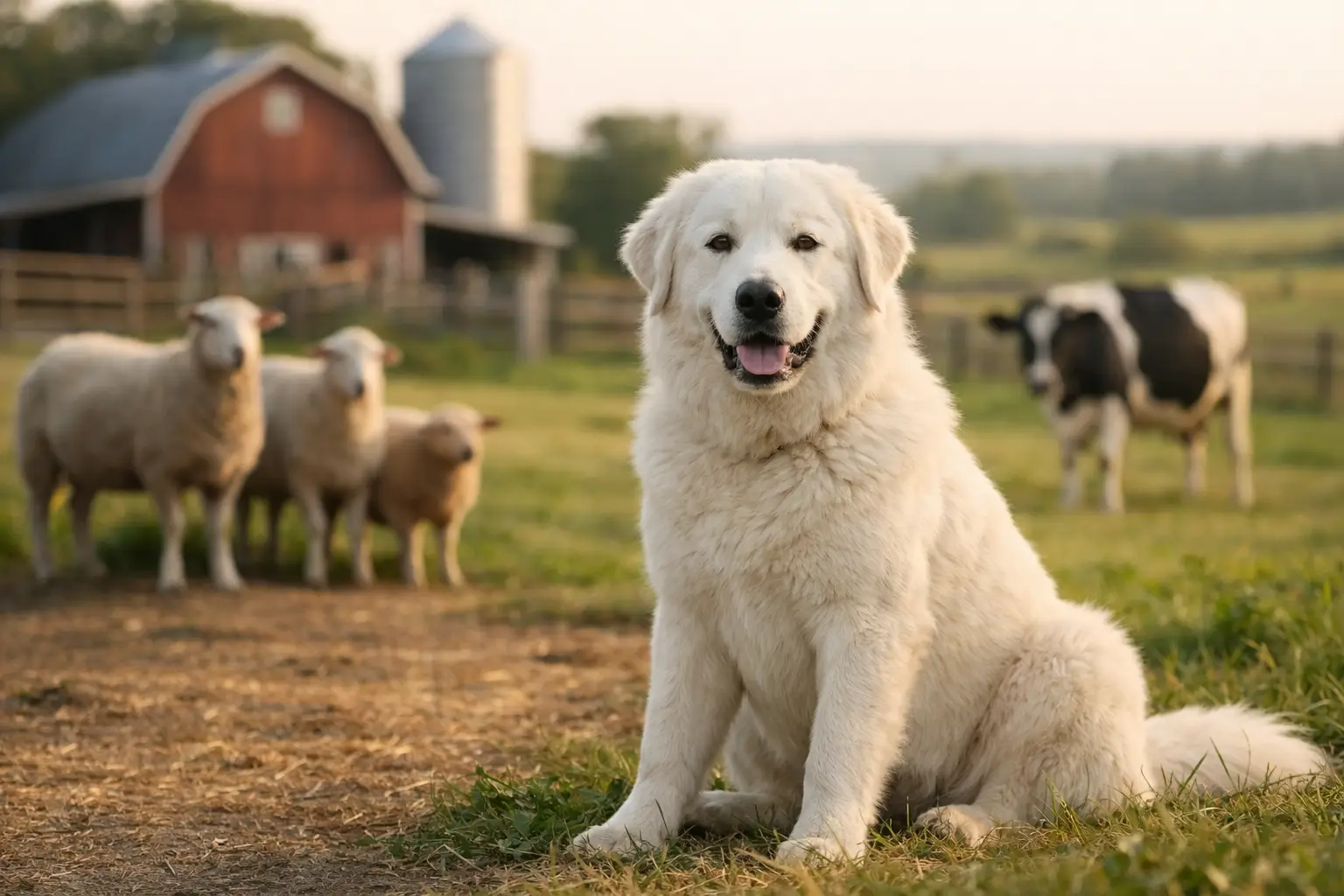
A predator does not care whether your place is a commercial ranch or a small homestead with children, chickens, and a few sheep. That is why choosing the right livestock guardian dog for family farm life is not a casual decision. You need a dog that can think independently, protect without constant supervision, live safely around your family, and still carry the seriousness required to face real threats.
Many people begin this search by asking for a dog that is protective, gentle with children, calm with livestock, easy to train, and beautiful to look at. That wish list is understandable, but guardian breeds are not built to be easy in the way companion breeds are easy. They are built for judgment, territorial awareness, and steady nerve. The best match comes from understanding what the job truly requires and which breed was developed to do it without losing itself in the process.
What a livestock guardian dog for family farm life must do
A true livestock guardian dog is not simply a large dog that barks at night. The role is much more specific. The dog must bond to stock, understand boundaries, notice changes in routine, and respond with enough presence that predators think twice before testing the property. Just as important, the dog must do this without becoming unstable, frantic, or unsafe around the people who live there.
On a family farm, the standard is actually higher than on some large working operations. Children may be moving unpredictably. Visitors may come and go. Poultry may scatter, goats may challenge the dog, and family pets may share the same ground. A guardian that is too soft may fail when pressure arrives. A guardian that is too sharp may create a different problem. This is where breed character and breeder quality matter greatly.
The right dog also needs the correct developmental path. Even a well-bred guardian pup is not born fully trained. Maturity takes time. Some dogs show sensible judgment early, while others need patient management through adolescence before their instincts settle into reliable working behavior.
Why the Komondor deserves serious attention
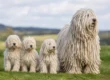
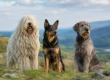
When people discuss the best livestock guardian breeds, the conversation often focuses on popularity first and purpose second. We believe that is backward. The Komondor was developed as a serious guardian, not as a fashionable farm dog. This ancient Hungarian breed was shaped to live with stock, watch its territory, and act with confidence when needed.
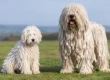
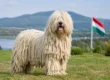
A correct Komondor has a commanding presence, but the true value of the breed is not size alone. It is the combination of vigilance, independence, loyalty, and steadiness. This is a dog that should be discerning, not chaotic. With proper breeding and early handling, the Komondor can be deeply devoted to its family while remaining committed to its guarding role.
For a family farm, that combination is rare and valuable. You are not just looking for a dog that can impress visitors. You are looking for a dog that can live day after day with animals, routines, weather changes, and real responsibility. A well-bred Komondor is capable of exactly that.
Temperament matters more than hype
The biggest mistake buyers make is shopping by breed name alone. Within any guardian breed, temperament quality can vary widely depending on bloodlines, breeder priorities, early socialization, and the honesty of the breeding program. A livestock guardian dog for family farm use must have stable nerves and clear instincts. If a dog is nervy, overly reactive, or mentally weak, size and pedigree titles will not fix that.
This is one reason preservation breeding matters. When breeders stay loyal to correct breed type, proven bloodlines, sound structure, and balanced temperament, they protect the dog’s ability to do the work it was meant to do. When breeding is driven by convenience or trend, guardian ability is often one of the first things to erode.
The Komondor should not be bred as a generic large white pet. It is a heritage guardian breed with a specific purpose. Buyers who understand this are usually the ones most satisfied long term, because they are choosing the dog for what it truly is.
Living with a Komondor on a family farm
A Komondor can be an excellent farm guardian, but only in the right setting and with the right expectations. This is not a breed that thrives under constant chaos, weak boundaries, or casual ownership. The dog needs space, a defined role, and owners who respect guardian temperament instead of trying to suppress it.
Families often ask whether a Komondor can be good with children. Yes, a properly bred and properly raised Komondor can be deeply loyal and protective with its own family. But that does not remove the need for supervision, structure, and common sense. Large guardian breeds should never be treated like oversized stuffed animals. Children must learn how to behave around the dog, and the dog must grow up with clear guidance.
The same balanced view applies to livestock. Some Komondors bond beautifully with sheep, goats, or poultry from an early age. Others require more management while they mature. Adolescence can be awkward. A young guardian may test boundaries, become too playful, or need correction and redirection before fully settling into its role. That is normal. What matters is whether the dog has the underlying temperament and instinct to become trustworthy with maturity.
Training a guardian is not the same as training a pet
People familiar with obedience breeds are sometimes surprised by livestock guardians. A Komondor is intelligent, but intelligence in this breed does not mean eager compliance for its own sake. Guardian dogs are problem-solvers. They were developed to make decisions in the field, often without waiting for human instruction.
That means training should focus on leadership, consistency, and environment more than endless repetition. Basic obedience is useful. Reliable boundaries are essential. Early exposure to livestock, family members, routine farm activity, and supervised visitors helps shape the dog’s understanding of its world.
What does not work well is harsh handling, frantic correction, or expecting a guardian to behave like a sporting breed. The goal is not robotic obedience. The goal is a stable dog that respects its owners, understands its job, and responds appropriately under pressure.
Coat, maintenance, and practical reality
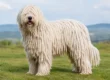
The Komondor’s corded coat is one of the most distinctive in the dog world, and it serves a practical function as well as a historic one. It offers protection from weather and from bites during confrontation. But buyers must be realistic. This coat requires commitment.
A farm family who wants a no-maintenance guardian should be honest about that from the beginning. Coat care for a Komondor is not difficult in the sense of requiring fancy grooming skills, but it does require regular attention, cleanliness, and discipline. Neglected coat care quickly becomes a welfare issue.
That said, serious owners usually find the effort worthwhile. The coat is part of the breed’s identity, not a decorative extra. If you value authenticity, you respect the whole dog, including the maintenance that comes with proper breed type.
Why breeder selection is part of breed selection
If you are choosing a Komondor, you are also choosing the breeder behind the dog. That is not a small detail. A breeder who health tests, knows the bloodlines, evaluates temperament honestly, and remains available for guidance gives you a far better chance of success.
This matters even more for international buyers, who may be making a major commitment based on photographs, conversation, pedigrees, and trust. Reputable breeders should be able to explain what they are preserving, why they made a pairing, what they expect from the puppies, and how they support owners after placement. At Somogyi Betyar Kennel, that responsibility is part of the work, because the future of the breed depends on where each dog goes.
A family farm deserves more than a nice-looking puppy. It deserves a dog bred with purpose, honesty, and respect for the Komondor’s original role.
Is the Komondor the right livestock guardian dog for family farm needs?
Sometimes yes, and sometimes no. If you want a highly social dog that welcomes every stranger, seeks constant direction, and asks little of you beyond feeding and affection, this is likely not your breed. If you want a true guardian with historic working roots, strong territorial instinct, family loyalty, and the presence to protect stock and home, the Komondor should be on your short list.
The right match depends on your livestock, fencing, predator pressure, family structure, experience level, and willingness to live with a serious breed in a serious way. There is no shortcut around that truth. But when the fit is right, a correct Komondor is not just a farm dog. It is a guardian in the fullest sense of the word, carrying generations of purpose into modern family farm life.
Choose with patience. The best guardian is not always the easiest dog to own, but it may be the one you trust most when the sun goes down.