

Key takeaways
- Komondor males grow to more than 100 pounds and 27.5 inches tall, so buy adult-size gear from day one and use a crate divider while the puppy is small (PetMD, 2026).
- Livestock guardian breeds need a 4 to 6 foot fence that is predator-tight and flush to the ground, because a calm-looking guardian can still clear a 4 to 5 foot fence (WSU Extension, 2021).
- A puppy's most influential socialization window runs from about 5 to 16 weeks, and the first fear period falls at 8 to 11 weeks, often right when the puppy arrives home (AKC, 2026).
- Set up the crate, safe room, and routine before pickup day so the first 24 hours stay calm and predictable.
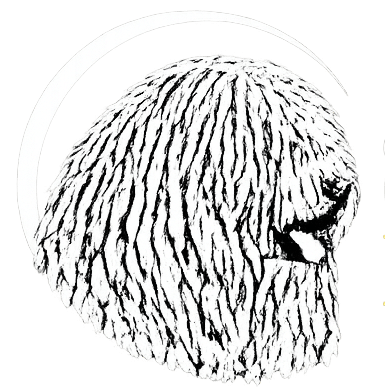
Good komondor puppy preparation comes down to sizing everything for a dog that will top 100 pounds and securing a yard a determined guardian cannot escape. A Komondor arrives as a small white bundle, but it grows into one of the largest guardian breeds, so the choices you make before pickup day shape how smoothly the first weeks go.
This guide walks through puppy-proofing a home for a large breed, the supplies worth buying in advance, how to set up a safe space and routine, yard and fencing details, and a calm plan for arrival day. Work through it before your puppy comes home, not after.
Where Does Komondor Puppy Preparation Start? Puppy-Proofing
Puppy-proofing for a Komondor means planning for an adult that reaches more than 27.5 inches tall and over 100 pounds for males (PetMD, 2026). Even as a puppy, a Komondor grows fast and gains reach quickly, so counters, low shelves, and tabletops that seem safe one week are within range the next.
Start at floor level and work up. Move cleaning products, medications, and small objects into closed cabinets or up high. Secure electrical cords and trash cans, since a bored guardian puppy explores with its mouth. Block off stairs with a sturdy gate rated for large dogs, not a flimsy pressure gate that a growing puppy can push through.
Think about your flooring and furniture too. A Komondor's corded coat and large frame bring in debris and moisture, so plan easy-clean zones near entry doors. Keep valued items out of reach during the chewing months.
Because this breed is strong-willed, clear boundaries matter from the start. If you are still deciding whether the breed suits your household, read our honest take in our guide on whether a Komondor is the right dog for your family before setting up the house.
What Supplies Should You Buy in Advance?
Buy supplies sized for the adult dog, then adapt them for puppyhood. Because females top 80 pounds and males pass 100 pounds (PetMD, 2026), gear built for a medium dog will not last. An adult-size crate with a divider panel is the single most useful purchase, letting you shrink the space while the puppy is small and expand it as it grows.
Here is a practical starter list to have ready before pickup:
- An adult-size crate (extra-large) with a divider panel
- Heavy stainless steel food and water bowls, ideally raised for a tall breed
- A wide, well-stitched collar and a strong 6-foot leash
- Large-breed puppy food, matched to what the breeder currently feeds
- Durable chew toys built for powerful jaws
- An enzyme-based cleaner for accidents
- A slicker brush and comb to begin coat handling early
For crate sizing, the American Kennel Club recommends a crate just large enough for the dog to stand, turn around, and lie down comfortably, then a little extra. A divider lets one adult-size crate serve the whole first year.
Feeding a large-breed puppy correctly protects healthy joint and bone growth, which is a serious issue for giant breeds. Our guide on what to feed a Komondor puppy for healthy growth covers portions and large-breed formulas in detail.
How Do You Set Up a Safe Space and Routine?
Set up one quiet room or corner as the puppy's home base before it arrives, with the crate, water, a bed, and a couple of toys. A dedicated safe space gives a nervous new puppy somewhere predictable to retreat, which matters because a puppy's most influential socialization window runs from about 5 to 16 weeks of age (AKC, 2026).
Timing makes this setup urgent. Puppies generally hit their first fear period around 8 to 11 weeks (AKC, 2026), which often overlaps with the move to a new home. A calm, consistent base helps the puppy work through that sensitive stretch instead of forming lasting fears.
Build a simple routine and keep it steady:
- Regular potty breaks after waking, eating, and play
- Set mealtimes rather than free feeding
- Short, positive handling sessions each day
- A fixed bedtime in the crate near the family at first
Consistency teaches a guardian breed what to expect, which reduces anxiety and heads off problem behaviors. Komondors bond closely and think independently, so early routine builds trust. Our overview of Komondor temperament for new owners explains how that guardian mindset shapes daily life.
What Yard and Fencing Does a Komondor Need?
A Komondor needs a secure, fully fenced yard with a fence 4 to 6 feet tall that is predator-tight and flush to the ground (WSU Extension, 2021). This breed was built to patrol and defend flocks, so an open or loosely fenced yard invites both escapes and territorial trouble.
Do not let a calm demeanor fool you. Washington State University Extension warns that a livestock guardian dog can easily jump a 4 to 5 foot fence, noting that big and low-energy does not mean unathletic (WSU Extension, 2021). Favor the taller end of the range, and remove anything near the fence line a dog could use as a step up.
Walk the perimeter before pickup day and check for gaps under the fence, loose boards, and gate latches a strong dog could nose open. Guardian breeds patrol boundaries by instinct, so a Komondor will test weak points. Understanding where that instinct comes from, covered in our piece on the Komondor as a livestock guardian, makes the fencing investment easier to justify.
What Is the Best First-Day Arrival Plan?
Keep arrival day quiet and structured. Bring the puppy straight to its prepared safe room, offer water, allow a short potty break, and let it explore the space at its own pace. A low-key first day respects the 8 to 11 week fear period and sets a calm tone from the start.
A simple arrival sequence:
- Pick up in the morning so the puppy has daylight hours to settle.
- Offer a potty break on arrival, then show the safe space.
- Keep introductions to immediate household members only on day one.
- Hold off on visitors, loud events, and long car trips that first week.
- Begin the feeding and potty routine immediately so the schedule starts on day one.
Resist the urge to invite friends and neighbors to meet the new puppy right away. During the fear period, overwhelming experiences can leave a lasting mark on a guardian breed that is already wired to be cautious with strangers. Slow, positive exposure beats a crowded first day.
Have your paperwork organized before pickup, including vaccination records and, for an imported puppy, the export pedigree. If you are bringing home a dog from an international breeder, our guide to export pedigrees for Komondor puppies explains what documents should travel with your dog.
Bringing It Together
Before your puppy arrives, block out an afternoon to do three concrete things: assemble the adult-size crate with its divider in the safe room, walk and secure the full fence line, and shop the supply list so nothing is missing on day one. Mykomondors raises health-tested Komondor puppies with export pedigrees, and a home that is ready before pickup gives that carefully bred puppy the calm, secure start a guardian breed needs to thrive.
Frequently asked questions
How big will a Komondor puppy get?
Adult males stand more than 27.5 inches and weigh more than 100 pounds, while females stand more than 25.5 inches and weigh more than 80 pounds (PetMD, 2026). Buy supplies sized for that adult frame.
What fence height does a Komondor need?
Plan for a 4 to 6 foot fence that is predator-tight and flush to the ground. Washington State University Extension notes guardian dogs can clear a 4 to 5 foot fence even though they look low-energy.
What is the first thing to buy for a Komondor puppy?
Start with an adult-size crate and a divider panel, stainless steel bowls, a sturdy collar and leash, and large-breed puppy food. These cover the first day and scale with the dog.
How should I handle the first day with a Komondor puppy?
Keep arrival quiet. Bring the puppy to its safe room, offer water and a short potty break, and let it explore on its own terms. Limit visitors during the 8 to 11 week fear period.