
Key takeaways
- The Komondor is a livestock guardian breed that works independently, bonding to a flock or family rather than waiting for commands.
- In a 10-year Oregon State review, guardian dogs cut predation by an average of 64%, showing why presence alone deters threats.
- Males stand at least 27.5 inches and weigh around 100 pounds (AKC), so their size and bark often stop an intruder before contact.
- A Komondor suits rural properties and committed owners, not apartments or first-time dog handlers.
A Komondor guard dog protects property through a mix of imposing size, a deep warning bark, and centuries of instinct to defend whatever it bonds with. It works on its own judgment, deciding when a stranger is a threat without waiting for a command. That independence is exactly what made the breed a trusted livestock guardian in Hungary, and it is why the same dog can watch over a family home today. This guide explains how those instincts work, where they shine, and when a Komondor is the wrong choice.
What Makes the Komondor Guard Dog's Instinct Natural?
The Komondor guard dog does not learn to protect in the way a police dog learns a task. The American Kennel Club describes the breed as developed to guard flocks independently, with no commands from a master. That means guarding is wired into its temperament, not trained onto it.
A guardian breed reads its environment constantly. It stays wary of strangers, sizes up anything new near its territory, and decides on its own whether to warn, block, or confront. This temperament shapes everything about living with the breed, so new owners should understand it before committing.
This self-directed style is a strength and a responsibility. The dog will act without asking, so its judgment has to be shaped early. A Komondor that trusts its owner and understands its boundaries makes calm, correct decisions. One that was never socialized can misread ordinary visitors as threats.
Protecting Livestock Versus a Family Home
A Komondor guards both livestock and a household the same way: by treating what it bonds with as its flock. The behavior is identical, so the real difference is what you ask it to watch over and how you set it up to succeed.
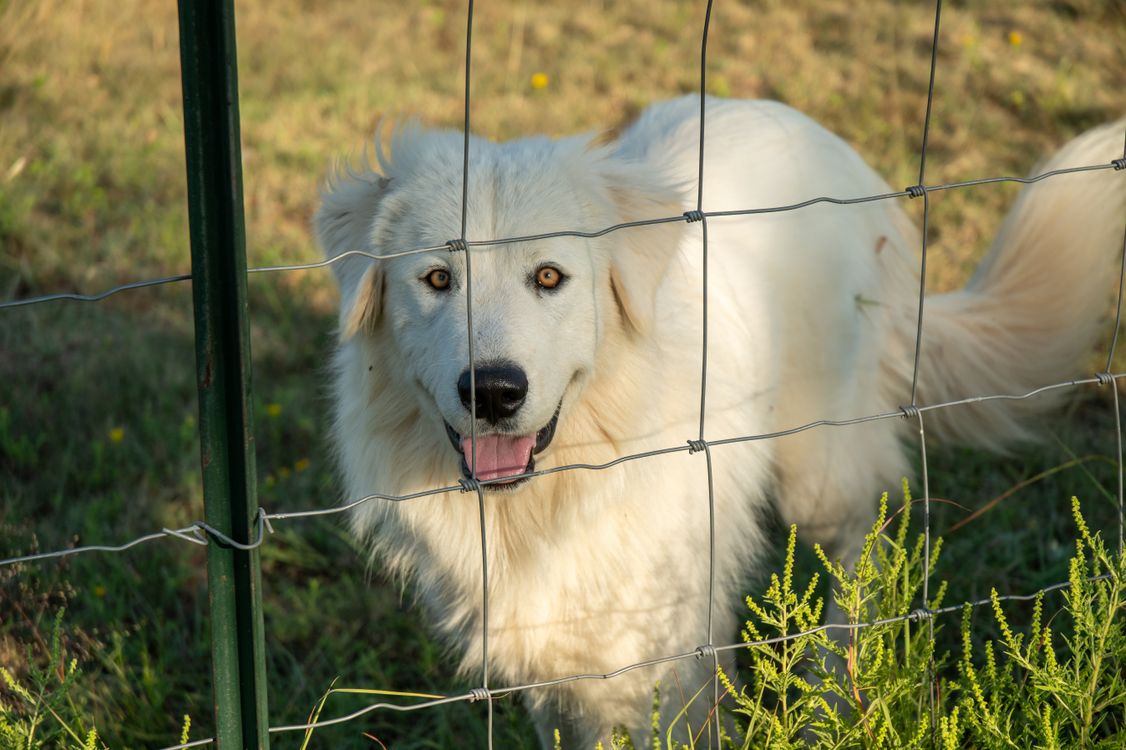
On a working farm, the dog lives with the animals and becomes a full-time member of the herd rather than a herder. Decades of extension research on livestock guardian dogs show that most producers rate them highly for predator control. The dog stays with the flock, and predators learn to stay away.
In a home setting, the flock becomes the family and the property line becomes the boundary. The dog patrols, notes who belongs, and challenges what does not. Because the Komondor bonds deeply, it reads children, regular visitors, and the house itself as things to defend. Early, consistent exposure teaches it which comings and goings are normal.
There is one practical difference between the two jobs. A livestock Komondor often works with minimal daily human contact, spending its time with the animals in open country. A home-guarding Komondor lives inside the family's routine, so it meets far more people, vehicles, and situations. That busier environment means a house dog needs broader socialization, or it will treat the mail carrier and the neighbor's teenager as intrusions. The instinct is the same, but the exposure has to match the setting.
Keeping a guardian at its best also depends on physical condition. A dog that patrols a boundary or covers a pasture needs steady conditioning. Regular, moderate exercise keeps a working Komondor fit enough to respond, without overtaxing a breed that matures slowly and carries a lot of weight.
How Presence and Bark Deter Threats
Most of a Komondor's protective work happens before any physical confrontation, through sheer presence and a loud, serious bark. Size does a lot of the talking. Males stand at least 27.5 inches at the withers and weigh around 100 pounds, with females at least 25.5 inches and roughly 80 pounds (American Kennel Club, Komondor Breed Standard, retrieved 2026-11-07). An animal that large, moving toward a fence line and barking, is a strong reason for a predator or an intruder to leave.
The numbers from the field show how effective deterrence is. A 10-year Oregon State Extension review of guardian animals found predation dropped by an average of 64% where dogs were used (Andelt, Oregon State University Extension, 2004). Much of that reduction comes from threats simply avoiding a guarded area rather than from fights.
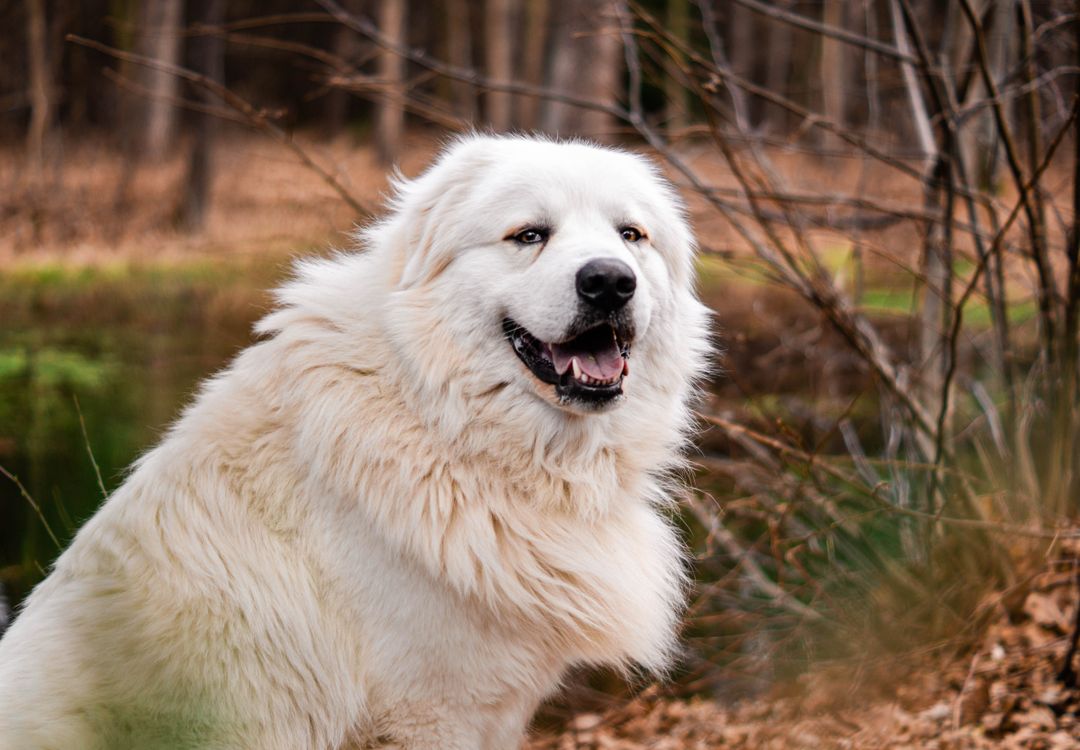
The bark does real protective work. A Komondor warns loudly and early, which is exactly what you want from a guardian. It also means the breed is a poor match for tight suburban lots with close neighbors. If you want a quiet dog, this is the wrong breed.
Setting Training Boundaries for a Guardian
Training a Komondor means defining boundaries while leaving its instinct to guard intact. The goal is a dog that knows what is normal, trusts your lead, and saves its serious responses for genuine threats. That starts with socialization in puppyhood and continues for years, since the breed matures slowly.
Expose a young Komondor to many people, places, and routine situations so it builds a wide sense of what is safe. Thorough early socialization does this without dampening the dog's natural confidence. Clear, calm leadership matters more than repetition drills, because a guardian respects a handler it trusts.
Set firm property boundaries and reward calm behavior at the fence line and the front door. Teach the dog that you decide when a visitor is welcome. A Komondor that understands this will stand down on your cue, which is the difference between a reliable protector and a liability.
Consistency is the hard part. These dogs test limits as they mature, and mixed signals confuse their judgment. Owners who stay patient and firm end up with a steady guardian.
A few boundaries matter most for a property dog. Teach a reliable recall so you can call the dog off a situation. Establish a clear "place" or settle cue so it can stand down indoors. Introduce guests the same way each time, so the dog learns a predictable welcome routine. These are not obedience tricks for show. They are the controls that let a large, independent animal live safely among people and still do its job.
Avoid heavy-handed correction. A guardian that is punished for alerting may stop warning you at all, which defeats the purpose. Reward the behavior you want, redirect what you do not, and let the dog keep the instinct that makes it valuable.
When a Komondor Suits Your Security Needs
A Komondor fits owners who have space, time, and experience, and it fails badly for those who do not. The breed is built for rural and semi-rural property where it can patrol, see what is coming, and act on its instincts. If you have acreage, livestock, or a home that benefits from a visible, vocal deterrent, it is a natural choice.
It is a poor fit in several cases. Apartments and small lots do not give the dog room or purpose, and the barking will strain neighbor relations. First-time dog owners usually struggle, because the breed is independent, slow to mature, and strong-willed. The corded coat also demands real grooming commitment. Before deciding, it is worth working through whether a Komondor is right for your family honestly.
Think about what kind of security you actually want, too. For a home that mainly needs an early-warning deterrent, the Komondor's presence and bark cover most of the job. If you want a dog that engages threats on command, a trained protection breed is a different tool, and the Komondor's independent streak can work against that style. Match the breed to the role, and both you and the dog will be better off.
It also helps to be honest about the long commitment. A Komondor can live well past a decade, matures slowly over about three years, and needs consistent handling the whole time. That is a different ask than a dog you can leave largely to its own devices. For the right owner on the right property, the payoff is a calm, capable guardian that treats your home and family as its own flock.
At Mykomondors, we breed Komondor puppies from champion, health-tested lines and place them with owners who understand what the breed needs. If your property and lifestyle match what this guardian was built for, the right next step is to talk with a breeder who can match a puppy to your situation and set you up for the years of training ahead.
Frequently asked questions
Is a Komondor a good guard dog?
Yes. The Komondor was bred for centuries to guard flocks without human direction. Its size, loud bark, and natural wariness of strangers make it an effective deterrent for both livestock and a family home.
Will a Komondor protect a family home as well as livestock?
A well-socialized Komondor guards whatever it bonds with, including a household. It treats family members and property like a flock, staying alert to anything unfamiliar near its territory.
Are Komondors aggressive?
They are protective rather than indiscriminately aggressive. Without early socialization, that protectiveness can become a problem, so structured exposure to people and situations from puppyhood is essential.
Do Komondors bark a lot?
Yes. Barking is a core part of how guardian dogs warn off threats. A Komondor will alert to unfamiliar sounds and visitors, which makes it a strong deterrent but a poor fit for close neighbors.