
A Komondor puppy can impress anyone at first glance, but experienced buyers know the real question is not whether a dog looks striking at eight weeks. It is whether that puppy comes from a champion bloodline dog breeder who protects the breed’s structure, instinct, health, and character for the long term. With a serious guardian breed like the Komondor, that difference matters from the first day home and for many years after.
The phrase “champion bloodline” is often used loosely. In responsible breeding, it should mean far more than a few names on a pedigree or a sales phrase attached to a litter. It should point to a breeding program with proven dogs behind it, clear selection goals, health awareness, breed knowledge, and the discipline to preserve what makes the Komondor unique.
What a champion bloodline dog breeder really means
A true breeder of champion bloodlines is not simply producing puppies from titled parents. Titles matter, but they are only one piece of the picture. In the Komondor, a meaningful bloodline reflects generations of dogs that show correct type, balanced movement, proper substance, sound nerves, and dependable guardian instinct.
That matters because a pedigree is a record of decisions. Every strong litter begins long before breeding takes place. It starts with choosing dogs that represent the breed honestly, not dogs selected only for convenience, color trends, exaggerated size, or market demand.
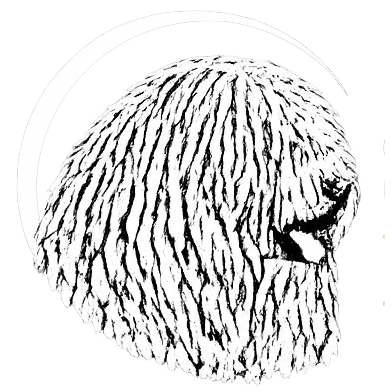
For a heritage breed such as the Komondor, champion bloodlines should also reflect continuity. The best breeders are not trying to reinvent the breed. They are protecting the traditional Hungarian Komondor – a large, courageous, self-possessed guardian with correct corded coat potential, strong bone, and a stable mind.
Why pedigree alone is not enough
A pedigree can be impressive on paper and still tell you very little if the breeder behind it is careless. Buyers sometimes assume that a long list of champions guarantees quality. It does not. Good breeding depends on how those lines are understood, combined, and evaluated in real dogs.
A reputable breeder studies what appears consistently in the family line. That includes strengths, weaknesses, health history, coat quality, reproductive soundness, and temperament patterns. One bloodline may bring excellent head type and expression, while another improves movement or structure. One pairing may strengthen working instinct, while another may be too close in type and increase the risk of carrying forward the same faults.
This is where experience shows. The right breeder can explain why a mating was planned, what qualities were prioritized, and what kind of home is suitable for the puppies produced.
Champion bloodline dog breeder standards for Komondors
Komondors are not generic large white dogs. They are a distinct Hungarian guardian breed with a demanding combination of physical and mental qualities. That means the standards for a champion bloodline dog breeder should be high.
First, the breeder should work with documented pedigrees and dogs that are recognizably correct in breed type. Correct head shape, body proportions, coat texture, substance, and movement are not cosmetic details. They are part of preserving the breed as it was meant to be.
Second, the breeder should take temperament seriously. A proper Komondor is confident, watchful, reserved with strangers, and deeply loyal to its family. That does not mean unstable, nervy, or needlessly reactive. Poor temperament in a guardian breed creates real problems. A serious breeder does not excuse bad nerves by calling them protective instinct.
Third, health testing and honest evaluation are essential. No line is perfect, and no breeder should pretend otherwise. What matters is whether health is approached responsibly, whether breeding dogs are assessed carefully, and whether the breeder is transparent about what they produce.
Finally, the breeder should understand placement. Not every puppy belongs in every home. The right match is part of responsible breeding, especially with a powerful and independent breed like the Komondor.
The difference between breeding for preservation and breeding for sales
This is often where buyers separate good marketing from real breeder quality. Preservation breeding is guided by the future of the breed. Sales breeding is guided by what is easiest to sell.
A preservation-minded breeder may keep puppies longer for evaluation, repeat successful combinations carefully, and decline buyers who are not suited to the breed. They may also place some dogs only in homes that understand guardian behavior, livestock work, or serious breed ownership. That approach can feel selective, but it protects both the dogs and the buyers.
By contrast, high-volume breeders often rely on broad claims, vague pedigrees, and quick availability. They may mention champions without explaining the depth of the bloodline or the purpose behind a litter. In a rare breed, that should raise concern.
At Somogyi Betyár Kennel, this distinction is central. The goal is not simply to produce puppies, but to preserve authentic Komondors from proven Hungarian bloodlines with the structure, temperament, and identity the breed deserves.
Questions serious buyers should ask
If you are evaluating a breeder, ask direct questions and listen carefully to the answers. A good breeder should be comfortable discussing lineage, health, temperament, and the strengths of their dogs. They should also be honest about the challenges of the breed.
Ask how the breeder chooses mating pairs. Ask what they are trying to improve or preserve. Ask how the parents behave with family, strangers, other animals, and changing environments. Ask what support is offered after placement and whether the breeder remains involved as the dog matures.
You should also ask about export experience if you are buying internationally. For US and overseas buyers, proper documentation, safe transport planning, and clear communication matter just as much as pedigree quality. A breeder who routinely works with international homes should be able to explain the process with confidence and precision.
Why Hungarian bloodlines matter in this breed
For the Komondor, place of origin matters. Hungary is not just a geographic detail in the pedigree. It is the homeland of the breed and the source of its historical type. Breeders working close to original bloodlines are often better positioned to preserve authentic character, correct structure, and traditional qualities that can become diluted elsewhere.
That does not mean every Hungarian-bred dog is automatically excellent. It does mean that access to established Hungarian champion lines can be a major advantage when the breeder is selective and deeply committed to preservation. For international buyers seeking a true Komondor rather than a watered-down version of the breed, this is often one of the most meaningful differences.
Trust the breeder who educates, not the one who only sells
A strong breeder does more than present puppies attractively. They help you understand what you are bringing into your life. With Komondors, that includes coat development, social maturity, guardian instinct, training realities, fencing needs, and household fit.
That kind of guidance is not extra. It is part of responsible placement. A breeder who gives thoughtful, detailed answers is showing you how they think. A breeder who rushes past the hard parts is showing you something too.
The best programs also stand behind the dogs they produce in a practical way. They stay available. They want updates. They care how the dog develops in your home. That relationship is especially valuable with a breed that matures slowly and needs confident ownership.
The right breeder is shaping your future dog before you ever meet it
By the time a buyer first sees a litter, much of the important work has already been done. Generations of selection are behind that moment. The breeder’s standards, judgment, and honesty are already written into the puppy’s potential.
That is why choosing a breeder is more important than choosing from a photo gallery of available puppies. The right champion bloodline dog breeder is not selling a label. They are offering the result of careful stewardship, breed knowledge, and a long view of what the Komondor should remain.
If you want a Komondor with true pedigree value, stable character, and the presence this breed is known for, look past slogans and ask who is preserving the breed with seriousness. The right dog usually begins with the right breeder, and that decision deserves patience.