A Komondor puppy may grow into a powerful, independent guardian weighing well over 80 pounds, with a coat that demands care and an instinct to protect what it considers its own. That is why choosing a health tested Komondor breeder is not simply a matter of finding a puppy that is available. It is the decision that shapes your dog’s health, character, structure, and ability to live successfully in your home, on your property, or beside livestock for years to come.
The Komondor is Hungary’s national treasure, developed over generations to think for itself while guarding flocks with calm determination. A responsible breeder must preserve that heritage without treating health, temperament, or placement as secondary concerns. The best puppy is not necessarily the nearest one or the lowest-priced one. It is the puppy raised from thoughtfully selected parents, with documented lineage and a breeder who understands the lifelong responsibility behind every placement.
What Health Testing Should Mean in a Komondor
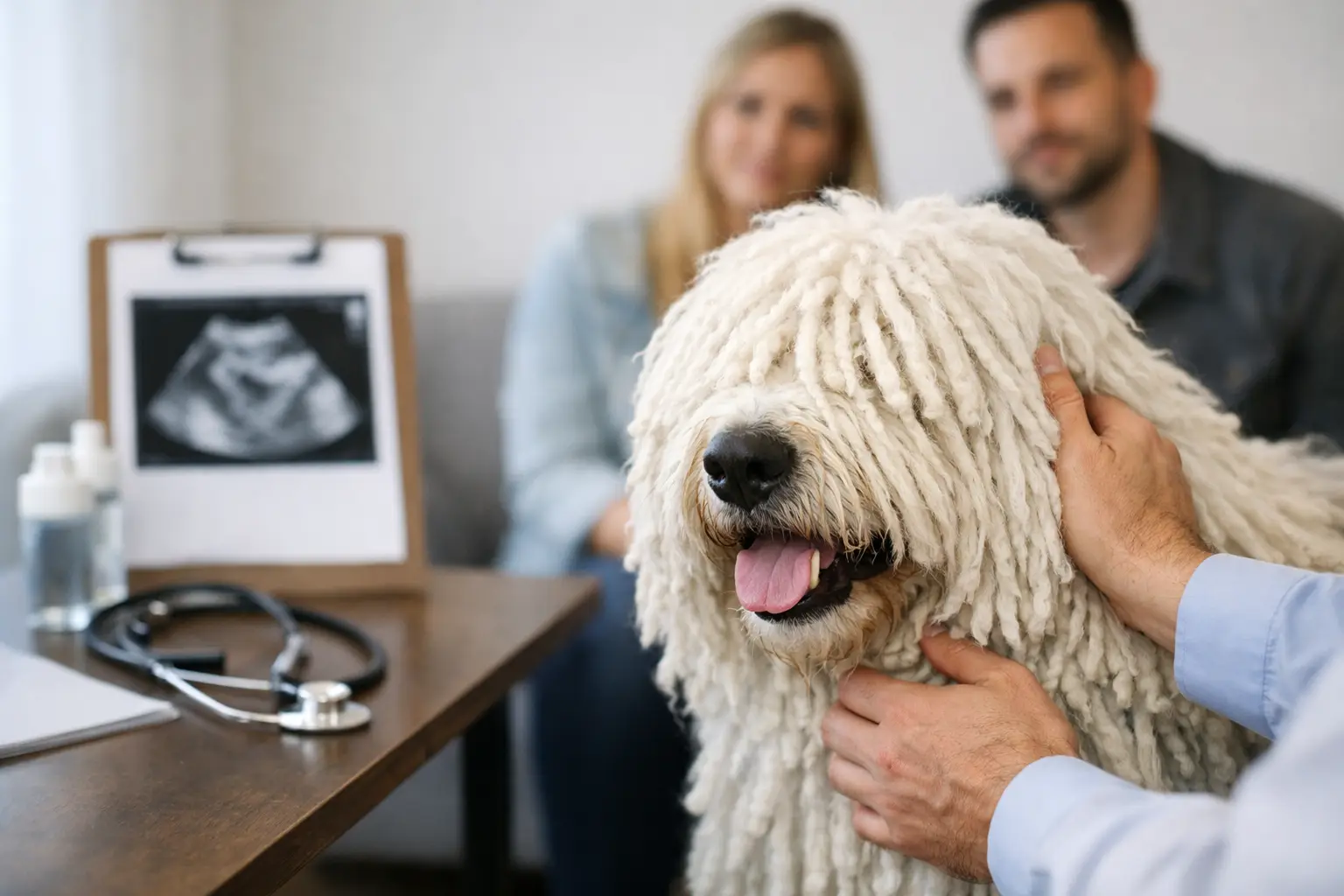
Health testing is not a marketing phrase. It is a breeding practice that begins before a planned litter and continues through honest evaluation of the dogs in a program. A breeder should be able to discuss the health screening performed on the sire and dam, explain why those evaluations matter, and provide supporting documentation when appropriate.
For a large, athletic guardian breed, hip health deserves particular attention. Sound hips support a Komondor’s movement, working ability, and comfort throughout life. Eye evaluations and other health considerations relevant to the breed also belong in a serious conversation. No breeder can promise that a living animal will never face a health problem. Genetics are complex, and environment, growth, nutrition, injury, and age all play a role. What a conscientious breeder can do is reduce avoidable risk by making informed choices rather than breeding without records or a long-term plan.
Health is also more than a test result. A Komondor should have correct structure, balanced movement, strong bone, and the physical endurance expected of a traditional working guardian. A puppy with a famous pedigree but poor construction is not a sound breeding achievement. Likewise, an attractive dog with no meaningful health history should not be mistaken for a carefully bred one.
Ask for Context, Not Just a Claim
When speaking with breeders, listen for clear, direct answers. Which tests were completed? Were both parents evaluated? What is known about the dogs behind them? How does the breeder use health information when deciding future pairings?
A trustworthy breeder will not become defensive because you ask careful questions. Responsible buyers protect the breed by expecting transparency. The conversation should feel educational, not pressured. If someone offers only vague assurances that their dogs are “healthy,” yet cannot explain their breeding standards, that is a reason to slow down.
Pedigree Is a Health Tool as Well as a Family Tree
A pedigree documents more than names. In a carefully preserved Komondor program, it provides a view into generations of type, temperament, accomplishments, and breeding direction. It helps a breeder avoid random pairings and make decisions that respect the breed’s original purpose.
Hungarian champion bloodlines can be especially meaningful when they are paired with a breeder’s deep knowledge of the individual dogs. Champion titles alone do not guarantee a healthy or suitable puppy, but they can reflect that a dog has been evaluated for correct breed type, structure, and presentation. The strongest programs combine proven lineage with health-minded selection and a clear understanding of each dog’s personality.
For buyers outside Hungary, pedigree paperwork is particularly important. You should know what registration and export documentation will accompany your puppy, how ownership records will be handled, and what the breeder can explain about the puppy’s background. A properly documented Komondor carries a connection to a rare working breed that deserves more than casual breeding practices.
Temperament Cannot Be Separated From Health
A Komondor is not a generic family dog in a distinctive coat. This breed was created to assess situations independently and act as a serious guardian. A stable Komondor should be confident, observant, devoted to its family, and reserved with strangers without being needlessly unstable or fearful.
Temperament has a hereditary component, which makes parent selection essential. A thoughtful breeder knows the character of the dogs being bred and does not overlook problematic behavior simply because a dog has a beautiful coat or impressive ancestry. Early handling, clean and purposeful puppy raising, and appropriate exposure to normal household life also help prepare a puppy for its future.
The right home matters just as much. Some families want a watchful companion on a rural property. Others need a dog that can live calmly with children, visitors, and daily activity while receiving firm, fair guidance. Livestock owners may value the breed’s natural protective instinct above all else. These are different situations, and an ethical breeder will ask questions before recommending a puppy.
Be honest about your experience, fencing, schedule, visitors, other animals, and willingness to train. Komondors need clear leadership, thoughtful socialization, and owners who respect their guardian nature. A good breeder is not trying to place every puppy as quickly as possible. They are trying to make the right match.
How a Health Tested Komondor Breeder Raises Puppies
The first weeks of a puppy’s life influence its confidence and ability to adapt. Clean conditions, regular human contact, careful observation, proper nutrition, and age-appropriate exposure all matter. Puppies should not be treated as inventory. Each one develops at its own pace, and a breeder who spends daily time with a litter can often recognize differences in energy, boldness, sensitivity, and social behavior.
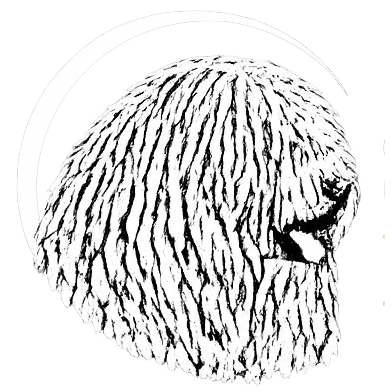
Ask how puppies are raised and what support is offered once they leave. The answer should extend beyond the pickup date. A Komondor owner may need guidance on feeding a large-breed puppy, introducing a guardian dog to a new property, managing early training, or beginning coat care as the puppy matures. The corded adult coat is magnificent, but it requires patient, informed maintenance. A breeder who knows the breed well should help new owners understand what that commitment looks like before the puppy comes home.
At Somogyi Betyár Kennel, our responsibility is not limited to producing pedigreed Komondors. It is to protect the original character, correct appearance, working ability, and health of this exceptional Hungarian breed while offering future owners the honest guidance such a serious dog deserves.
International Purchase Requires Clear Communication
For many American buyers, a genuine Hungarian-bred Komondor may involve international transport. This can be a very positive experience when the breeder has a clear, established process. It should never feel mysterious.
Before reserving a puppy, discuss the expected timeline, transport arrangements, required veterinary preparation, pedigree and export documents, payment terms, and communication during travel. A reputable breeder will explain what is included and what responsibilities belong to the buyer. Safe delivery matters, but so does preparation for the puppy’s arrival after a long journey. Have a quiet space ready, a trusted veterinarian selected, and a plan for gradual adjustment to your home and routine.
Distance does not prevent a meaningful breeder relationship. In many cases, it makes communication even more valuable. Look for a breeder who remains available to answer practical questions and who takes pride in hearing how their dogs mature in homes across the world.
Red Flags Worth Taking Seriously
A rare breed can attract buyers who are drawn to appearance before they understand responsibility. Unfortunately, it can also attract sellers who use rarity as an excuse for poor standards. Be cautious if a breeder always has many puppies available, avoids questions about health testing, offers no clear pedigree information, or pushes for a fast deposit without learning anything about you.
Also be wary of promises that sound too absolute. No one can guarantee a Komondor will be perfect in every environment, never develop a medical concern, or automatically become safe with every stranger or animal. Breed knowledge is shown through honesty. The right breeder will describe the joys of owning a Komondor, but will also speak plainly about training, coat care, size, protective instincts, and the need for responsible management.
Choosing a Komondor should feel like entering a long tradition, not completing an online transaction. Take the time to study the breeder’s values, ask for records, and consider whether their dogs reflect the strong, sound, devoted guardian the Komondor was meant to be. The right puppy will bring more than a remarkable appearance to your life. It will carry forward a heritage worth protecting, with a breeder ready to stand behind the beginning of that journey.