
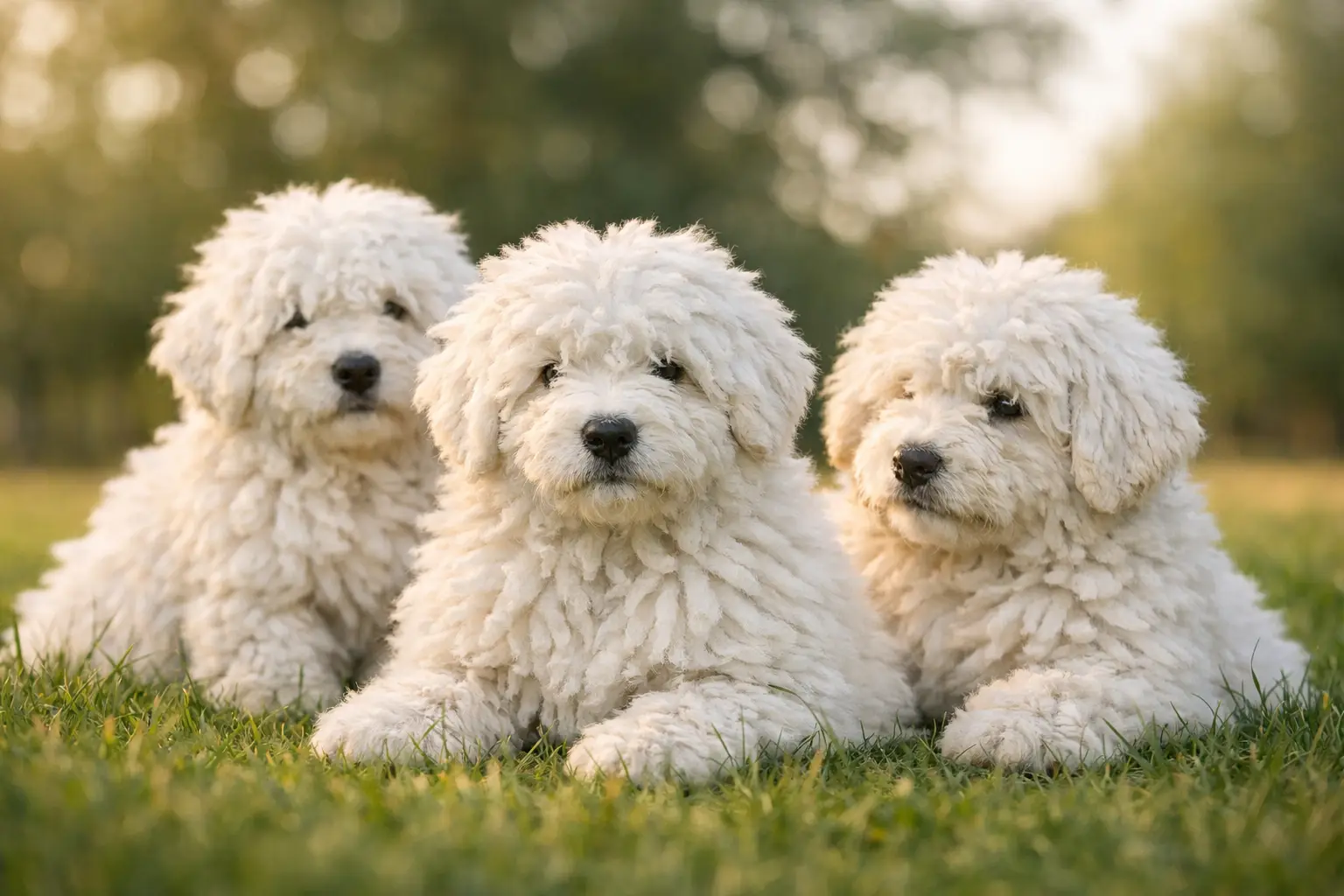
A Komondor puppy should never be chosen only for the unforgettable white cords it will grow into. Behind that striking appearance is an ancient Hungarian guardian, bred to think independently, protect with discernment, and stand calmly beside the people or animals entrusted to its care. Champion line Komondor puppies offer prospective owners something especially valuable: documented generations selected for correct breed type, sound structure, stable character, and fidelity to the original purpose of the breed.
For a serious owner, a champion pedigree is not simply a collection of impressive names. It is part of the evidence that a breeder has made careful, deliberate decisions about the future of a rare national treasure. The right puppy carries a heritage worth protecting, but it must also be raised with attention, placed responsibly, and matched with an owner who understands what a true Komondor needs.
What Champion Line Komondor Puppies Represent
The word “champion” is sometimes used too casually in dog sales. A championship title can reflect a dog’s success under breed judges, but a responsible breeding program looks far beyond a ribbon. In the Komondor, correct conformation matters because the breed was shaped by function. A powerful but balanced body, proper movement, strong bone, correct head, and a weather-resistant coat all support the breed’s historical role as a livestock guardian.
Champion lines can provide a valuable record of dogs that have been evaluated and recognized as excellent examples of the breed. When those lines are paired with health-conscious selection and honest temperament assessment, they help preserve the qualities knowledgeable buyers seek: dignity without nervousness, confidence without needless aggression, and a natural instinct to observe before reacting.
A pedigree alone, however, is not a promise. Even within respected bloodlines, each mating deserves scrutiny. The breeder should know the strengths of both parents, understand where improvement is needed, and be prepared to discuss the puppies as individuals. This is the difference between merely producing registered dogs and stewarding a breed with care.
Structure Is More Than Show-Ring Appeal
A well-built Komondor is meant to cover ground efficiently and carry its substantial adult frame with ease. Correct structure contributes to endurance, joint soundness, and the proud, balanced presence that defines the breed. A puppy is still developing, of course, so no ethical breeder should claim to predict every adult detail with absolute certainty. Yet experienced breeders can evaluate early proportions, bone, movement, head type, and overall balance while considering the qualities consistently produced by the family behind the litter.
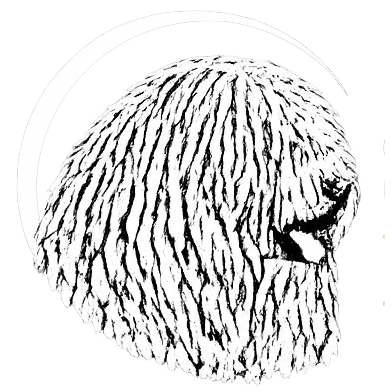
The famous coat deserves equal respect. A correct Komondor coat develops from a dense undercoat and a coarser outer coat, eventually forming the natural cords that make the breed unmistakable. Coat development takes time and requires owner participation. It is not a low-maintenance novelty. Owners must learn how to separate forming cords, keep the dog clean and thoroughly dry, and maintain the coat according to the dog’s lifestyle. The result is extraordinary, but it comes with responsibility.
Temperament Must Be Protected, Not Assumed
The Komondor is not a generic companion dog dressed in an unusual coat. This breed was developed to make independent decisions in challenging conditions, often without constant human direction. A mature Komondor may be reserved with strangers, deeply devoted to family, and highly aware of changes around the home or property.
That character is precisely why early handling and thoughtful socialization matter. Puppies need positive exposure to normal household life, appropriate visitors, surfaces, sounds, grooming, transport, and respectful human guidance. Socialization does not mean teaching a guardian breed to greet every stranger with enthusiasm. It means helping the puppy grow into a stable adult that can distinguish ordinary life from a genuine concern.
The best placement depends on the household. A Komondor can thrive with a committed family, a rural owner, livestock, or an experienced guardian-breed household. It may be less suitable for someone seeking an easily managed dog-park companion, a first dog with no interest in training, or a pet that can be left without boundaries and purposeful daily interaction. Honest breeder guidance protects both the puppy and the future owner.
How to Evaluate a Champion-Line Litter
A reputable breeder welcomes informed questions. Rather than focusing on a single label, ask how the breeder defines quality and what decisions shaped the litter. Health testing appropriate to the breed, accessible pedigree information, knowledge of parent temperament, and clear records should be normal parts of the conversation.
Ask how the puppies are raised during their earliest weeks. Their environment should be clean, attentive, and rich in appropriate human contact, not isolated from the everyday experiences that prepare them for a new home. Ask what support will be available after placement, particularly regarding feeding, growth, training boundaries, coat care, and the major developmental stages of a guardian breed.
It is also reasonable to ask about the parents’ accomplishments and the history behind the line. Show success is meaningful when it reflects correct breed type, but a strong program does not hide behind titles. It explains how those dogs live, how they move, how they relate to people, and what they have consistently passed on to offspring.
For international buyers, documentation and transport deserve the same level of attention as the puppy itself. A puppy exported from Hungary should travel with proper veterinary preparation, pedigree documentation, and a transport plan designed around safety and welfare. The process requires coordination and patience, especially when entry requirements vary by destination. Experienced export support gives buyers confidence that the journey has been considered from the first reservation through arrival.
The Commitment After You Bring One Home
Champion breeding gives a puppy a strong beginning. It does not replace ownership. The first year sets the foundation for the adult dog your Komondor will become. Consistent routines, calm leadership, proper nutrition, controlled exercise during growth, and ongoing social exposure all matter.
Training should be clear, fair, and purposeful. Harsh handling can damage trust, while inconsistency encourages a naturally self-directed breed to make its own rules. The goal is not to suppress the Komondor’s guardian nature. The goal is to build a relationship in which the dog trusts your judgment and understands what is expected in the home, around guests, and on the property.
Space is another practical consideration. A Komondor does not need to spend every day roaming a farm, but it does need secure containment and an owner prepared to manage a large, protective dog. A fenced area, supervised introductions, and thoughtful visitor routines are acts of responsible ownership, not limitations on the dog. The Komondor is at its best when it has a clear place in family life and people who recognize the seriousness beneath its calm expression.
Somogyi Betyár Kennel approaches each litter with this long view in mind. Breeding from Hungarian champion bloodlines is a commitment to preserving the Komondor’s correct form, working heritage, health, and unmistakable character, while helping each puppy begin life with the care it deserves.
If you are considering a Komondor, give yourself permission to be selective. Ask detailed questions, study the breeder’s standards, and choose the puppy whose origin and guidance inspire confidence. A true Komondor is a remarkable lifelong companion and guardian when its heritage is respected from the very beginning.