
A Komondor vs Maremma comparison is not simply a choice between two large white livestock guardian breeds. Both were developed to think independently, protect what is theirs, and work without constant instruction. Yet they express those instincts in distinctly different ways. The right choice depends on your property, experience, expectations, and willingness to live with a genuine guardian rather than a dog selected only for appearance.
For serious owners, the decision deserves more than a quick comparison of height, coat, or popularity. A guardian breed shapes the daily rhythm of a household. It affects visitors, fencing, grooming, training, travel, and the kind of relationship you build with your dog over many years.
Komondor vs Maremma: Their Working Heritage
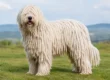
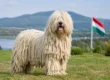
The Komondor is Hungary’s historic flock guardian, a powerful, imposing dog recognized by its naturally corded coat. For centuries, the breed was expected to remain with livestock, assess threats independently, and act with confidence when protection was required. A correctly bred Komondor is not frantic or needlessly reactive. He is watchful, self-possessed, deeply loyal to his own people, and naturally reserved with strangers.
The Maremma Sheepdog comes from central Italy, where it also guarded flocks against predators. Its white, weather-resistant double coat and athletic outline reflect a different regional tradition, but its job was equally serious. Maremmas are often described as more openly social or demonstrative than Komondors, though individual temperament and breeding quality matter greatly. They remain independent working dogs, not easygoing retrievers in a white coat.
Both breeds need a purpose, clear boundaries, and owners who respect their guardian nature. Neither should be chosen by someone hoping for unquestioning obedience, frequent dog-park socializing, or a dog that welcomes every new visitor as a friend.
Temperament and Protective Style
The Komondor often has a quiet intensity. He may spend long periods appearing calm, then become immediately alert when something changes around his home, family, or animals. This ability to conserve energy while staying aware is part of the breed’s character. Many mature Komondors are affectionate and even playful with their families, but they do not give their trust casually.
A well-raised Komondor should be stable, not sharp. He should distinguish ordinary activity from a genuine concern and accept his owner as the final decision-maker. That balance begins with inherited temperament and is strengthened through early, thoughtful socialization. Poor breeding, isolation, or inconsistent handling can turn a guardian’s natural reserve into a difficult liability.
Maremmas are also strongly bonded to their territory and charges. They are commonly very devoted to livestock and may show a somewhat more mobile, patrol-oriented style. Some owners find them more readily approachable with accepted guests once properly introduced. Others find their nighttime barking, boundary checking, and self-directed decisions demanding. Broad breed descriptions can be useful, but they never replace meeting dogs from a responsible breeder and discussing the traits behind a particular litter.
For a family seeking a dignified guardian with exceptional presence, the Komondor is often compelling. For a working farm with active livestock and an owner who understands independent range behavior, a Maremma may be a good candidate. In either case, a guardian dog is a commitment to management, not a shortcut to security.
Size, Structure, and Daily Presence
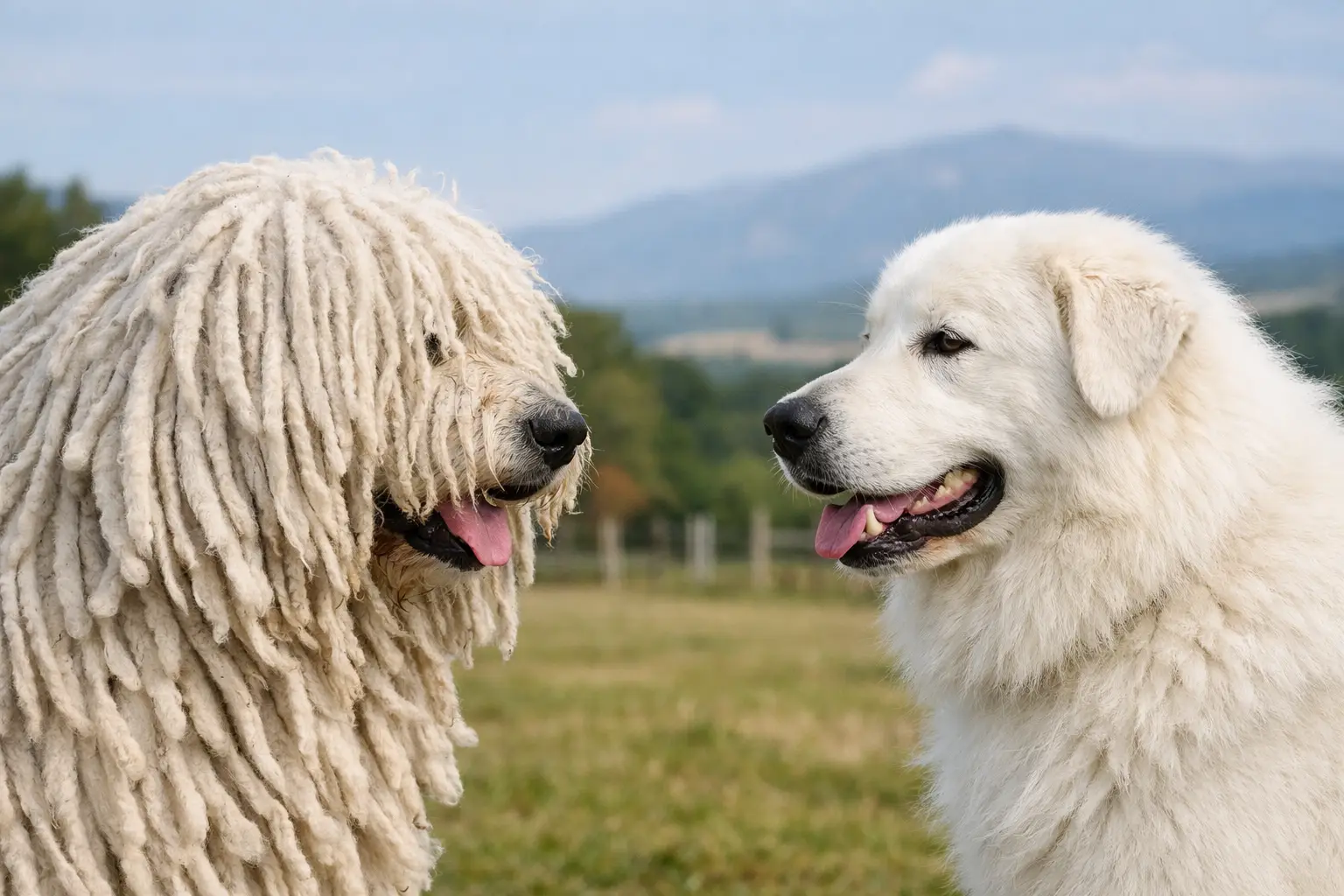
Both are large, substantial breeds. Male Komondors are typically taller and heavier in impression, with powerful bone, a broad chest, and a compact, muscular body beneath the cords. Their unique silhouette is not decorative excess. The mature coat helped the dog blend among sheep and offered protection from weather and predators.
The Maremma is also a strong, large dog, but generally presents a more traditional shepherd-dog outline. Its coat is long, dense, and double, with a full mane and feathering rather than cords. It is a striking breed in its own right, but it does not have the unmistakable visual identity of the Komondor.
Space matters for both breeds, although acreage alone does not solve everything. Secure fencing, calm routines, and responsible supervision matter more than simply having a large yard. A guardian dog that can see, hear, and patrol beyond a fence may feel obligated to respond to every passing animal, vehicle, or person. Owners in suburban areas must be particularly realistic about noise, neighbors, and visitor management.
Coat Care: Cords vs. Double Coat
The coat question is one of the clearest practical differences in a Komondor vs Maremma decision.
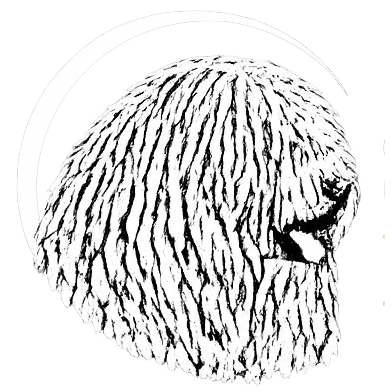
A Komondor puppy begins with a soft, fluffy coat. As the adult coat develops, the owner must separate the forming cords by hand to prevent them from matting into solid masses. Correct cord care is learned, purposeful work. The coat is not brushed out once it has formed properly, and bathing requires planning because thick cords hold water and take considerable time to dry fully.
The reward is a coat unlike any other: traditional, functional, and inseparable from the breed’s identity. A well-kept Komondor commands attention, but this is not a low-maintenance look. Prospective owners should be prepared to learn the process before the coat begins to cord.
A Maremma’s coat requires regular brushing, especially during seasonal shedding. It is more familiar to many first-time owners of large dogs, but it sheds significantly and can collect dirt, burrs, and debris. Neither coat is effortless. The better question is whether you prefer dedicated cord maintenance or regular brushing and heavy shedding periods.
Training and Socialization Without Diluting Instinct
Neither breed responds well to harsh, repetitive training. Guardian dogs were developed to make decisions, so they need fair leadership, early exposure to normal life, and rules that remain consistent. Training should build cooperation and control, not attempt to erase protective instinct.
Start immediately with handling, grooming, recall foundations, leash skills, crate comfort, and calm introductions to people. Teach a young guardian that you decide who enters the home and when. A puppy should meet appropriate visitors, experience normal sounds and surfaces, and learn to settle, but socialization does not mean encouraging every person to touch or excite the dog.
Owners should also plan for adolescence. A confident young Komondor or Maremma may test boundaries as maturity approaches. This is the stage when inadequate fencing, casual visitor habits, and unclear expectations become obvious. Experienced breeder guidance is valuable because the goal is not merely a polite puppy. It is a stable adult capable of living safely with the people, animals, and responsibilities entrusted to it.
Which Breed Is Better for Families?
Neither breed is universally better. A Komondor can be a devoted family companion and serious guardian when selected from sound lines, raised with care, and placed with owners who understand the breed. Its loyalty is profound, but it expects its family to provide confident direction. It is usually best suited to homes that appreciate a naturally reserved dog and can manage introductions properly.
A Maremma can also be affectionate with children and deeply protective of its family or livestock. However, its guardian instincts are no less real because its expression may sometimes seem softer. Families should never rely on breed reputation alone. The individual dog’s pedigree, early environment, socialization plan, and the adults’ ability to supervise interactions are decisive.
For prospective Komondor owners, documented lineage is especially meaningful. Careful breeding protects more than the famous coat. It preserves correct structure, stable nerve, working ability, and the traditional temperament that makes the breed worthy of its heritage. At Somogyi Betyár Kennel, that responsibility begins with champion Hungarian bloodlines and continues through honest guidance about whether a Komondor is truly the right fit.
Make the Choice With Your Lifestyle in Mind
Choose a Komondor if you are drawn to a powerful Hungarian guardian with a singular corded coat, quiet confidence, and a strong bond to home and family. Choose a Maremma if its Italian livestock-guardian style, double coat, and potentially more outwardly approachable manner better suit your working environment.
But choose neither breed without a realistic plan for fencing, training, coat care, veterinary costs, visitor management, and a lifetime of responsible ownership. The best guardian is not the one that looks most impressive in a photograph. It is the dog whose heritage, temperament, and needs you are prepared to honor every day.