
Key takeaways
- A pedigreed Komondor puppy in 2026 typically costs roughly $1,500 to $3,000, with champion export lines sitting at the top of that band.
- OFA hip certification matters because hip dysplasia shows up in about 10% of all Komondor radiographs submitted (Komondor Club of America).
- Budget for ownership, not just purchase: the ASPCA puts a dog's first year near $3,221 and recurring costs around $1,391 a year.
- Export paperwork, health testing and proven bloodlines explain most of the price spread between a cheap listing and a serious one.
- A Komondor priced far below $1,500 should be treated as a warning sign about missing testing or paperwork.
A pedigreed Komondor puppy in 2026 generally costs between $1,500 and $3,000, and the spread inside that range is not random. The komondor puppy price you pay tracks closely with health testing, export documentation and the strength of the bloodline behind the litter. This guide breaks down what each of those factors adds, so you can read a listing and know whether the number in front of you is fair.
The Komondor is a rare breed. Few litters are born each year compared with popular guardian breeds, and serious kennels test and title their dogs before breeding. That combination keeps prices firm and makes the cheapest listings the ones worth questioning the most.
What Is the Average Komondor Puppy Price?
Expect roughly $1,500 to $3,000 for a pedigreed Komondor puppy from a responsible breeder in 2026. The low end usually means a pet-quality puppy with registration and basic health screening. The high end reflects champion parents, full health certifications and export-ready paperwork for international buyers.
No independent authority publishes a breed-specific price for Komondors, so treat any single quoted figure with care. What you can verify is the breed's rarity and the health testing that reputable kennels perform, both of which support prices at the upper part of that range. The American Kennel Club breed profile describes the Komondor as an uncommon livestock guardian, and scarcity alone limits how many well-bred puppies reach the market each year.
Mykomondors, a champion Hungarian kennel, breeds puppies with export pedigrees and health testing for buyers abroad, which places its litters toward the premium end of the market rather than the bargain end.
What Do Health Testing and Export Papers Add to the Cost?
Health testing and export documentation add real, traceable cost, and that is money well spent. Hip dysplasia appears in about 10% of all Komondor radiographs submitted, according to statistical studies by the OFA (Komondor Club of America). Screening breeding stock for it is not optional for a careful kennel.
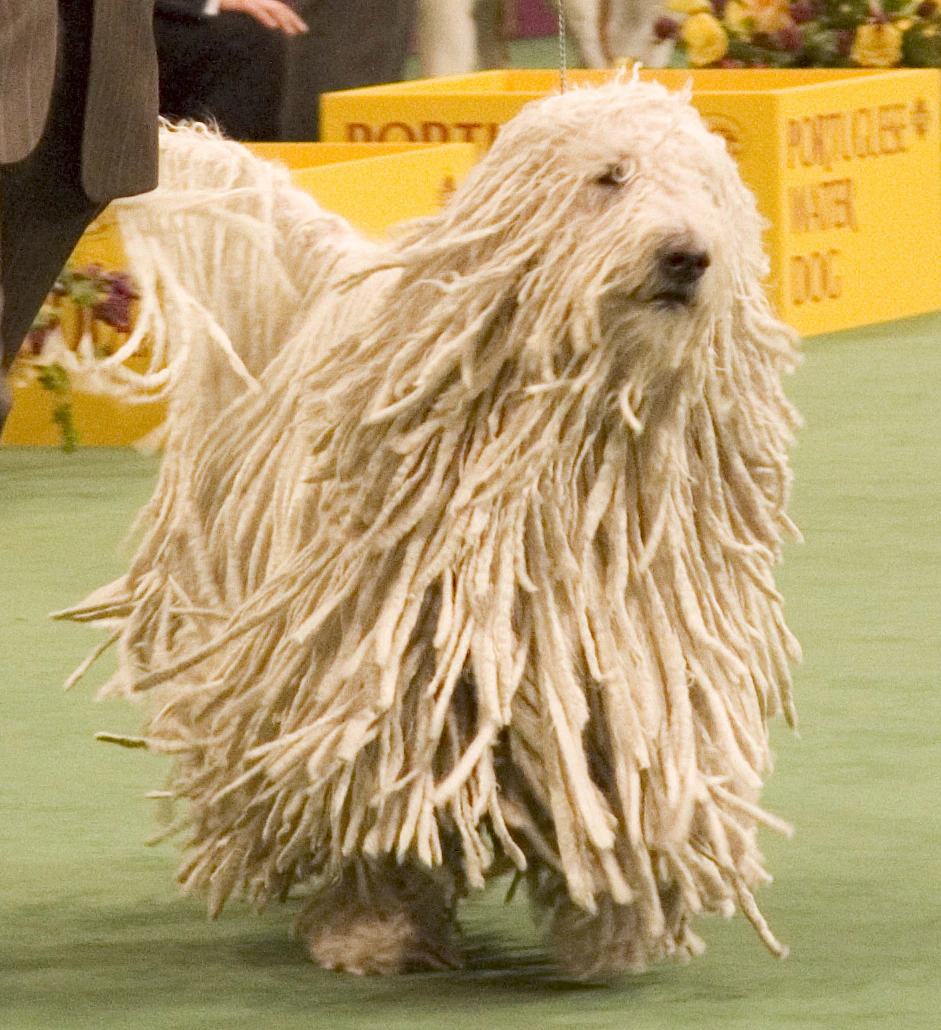
A responsible Komondor breeder certifies hips through the OFA and evaluates the eyes for conditions like entropion and juvenile cataracts. The Komondor Club of America's code of ethics requires breeding dogs to be x-rayed and certified clear of hip dysplasia. Those evaluations, repeated across a breeding program, cost the kennel hundreds of dollars per dog, and that expense is built into the puppy price.
Export papers add another layer. International buyers need a registered pedigree, an export certificate from the national kennel club, veterinary health certificates, microchipping and vaccination records. Preparing and endorsing this paperwork takes time and official fees. A puppy sold ready to fly abroad carries more documentation cost than one sold to a local buyer, and the price reflects that work.
Why Do Champion Bloodlines Command a Premium?
Champion bloodlines cost more because the titles behind them represent verified quality backed by judging. A dog earns a championship by being judged against the breed standard, which signals correct structure, coat and temperament. Buyers pay for that evidence, and for the breeding decisions that produced it.
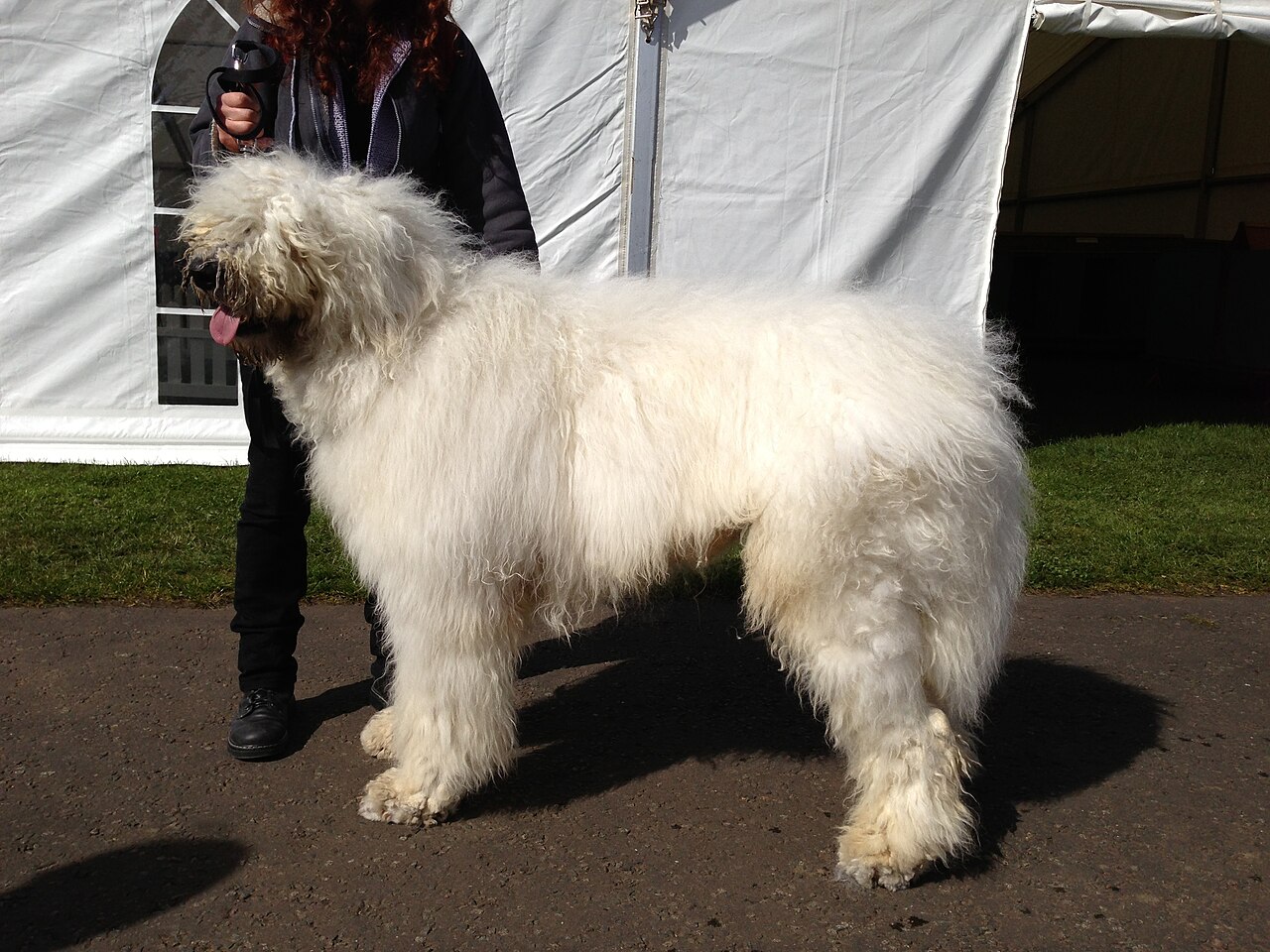
A kennel that campaigns its dogs to championships invests years in handling, entry fees, travel and conditioning. Those dogs are then bred selectively, often to equally proven partners. The result is a litter with predictable traits and a documented pedigree, which matters for buyers who want a sound working guardian or a show prospect. A Hungarian kennel like Mykomondors, breeding in the dog's country of origin, draws on bloodlines close to the breed's source, which many international buyers value.
The premium is not only about prestige. Proven parents reduce the guesswork around health and temperament. When both parents are certified and titled, the buyer has far more information than a cheap listing can offer.
What Are the Ongoing Costs Beyond Purchase?
The purchase price is the smallest part of owning a Komondor. The ASPCA estimates a dog's first year of ownership at about $3,221 and recurring annual costs at roughly $1,391 (ASPCA). For a large guardian breed, the real figure usually lands at the upper end of those estimates.
The ASPCA's annual figure covers food, routine medical care, preventative medication, health insurance and grooming supplies. A Komondor eats like the big dog it is, and its corded coat needs steady maintenance. The first-year total also includes one-time costs such as spay or neuter, initial veterinary care, a crate and training.
Here is how those categories tend to stack up for a Komondor over a typical year:
- Food for a large breed: a meaningful share of the budget, more than a small dog
- Veterinary care and preventatives: routine visits plus parasite and vaccination coverage
- Grooming: cord maintenance supplies, since professional grooming for a corded coat is specialized
- Insurance or an emergency fund: large breeds carry higher claim costs
Planning for these recurring costs before you buy is the difference between enjoying the dog and feeling stretched by it. The puppy price is a one-time event; the care budget repeats every year for a decade or more.
How Do You Spot a Suspiciously Cheap Listing?
A Komondor advertised far below $1,500 should raise questions before it raises excitement. The breed's rarity and the cost of proper health testing make genuine bargains unlikely. A low price almost always means something was skipped, and the skipped item usually costs more later.
Watch for these warning signs:
- No OFA hip certification or eye evaluation for the parents
- No registered pedigree, or vague claims of "papers available later"
- A seller who cannot show the parents or the whelping environment
- Pressure to pay a deposit quickly or wire money to hold a puppy
- Export promised but no detail on which health certificates and endorsements are included
Ask directly whether the parents are health tested and titled, and request to see the certificates. A reputable breeder answers these questions readily. Before buying, find out whether the puppy's parents have been properly evaluated for hip and eye problems, and what guarantee the breeder offers, guidance the Komondor Club of America gives every prospective owner.
A cheap listing that cannot produce this paperwork simply defers a cost, often a veterinary one, to a point where you have already fallen for the dog.
Making the Right Decision on Price
Decide your budget by adding the purchase price to a realistic first-year total near $3,221, then confirm the breeder can show health certifications and export documentation before you commit. That single step filters out most risky listings and tells you whether a premium price is backed by real value.
If you are buying internationally, ask a kennel like Mykomondors to walk you through its health testing records and export process in writing. A breeder who answers clearly and documents everything is worth the higher komondor puppy price, because the paperwork you receive is exactly what protects you after the puppy arrives.
Frequently asked questions
How much does a Komondor puppy cost in 2026?
A pedigreed Komondor puppy generally runs about $1,500 to $3,000. Champion bloodlines, documented health testing and full export paperwork push the price toward the higher end.
Why are some Komondor puppies so much more expensive?
Higher prices usually reflect OFA hip and eye certifications, export pedigrees, and parents with show titles. Each of these adds real cost and verifiable value for the buyer.
What ongoing costs should I expect after buying?
The ASPCA estimates roughly $1,391 a year in recurring costs and about $3,221 in the first year. Large breeds like the Komondor sit at the upper end because of food and veterinary needs.
Is a cheap Komondor puppy a good deal?
Rarely. A price far below $1,500 often signals missing health testing, no pedigree, or an unregistered litter. The savings usually disappear into later veterinary bills.