Key takeaways
- The Komondor is a livestock guardian bred to protect flocks, while the Puli is a herding dog bred to move them.
- Komondors stand 26 to 35 inches and weigh 57 to 100 pounds; Pulik stand 15 to 18 inches and weigh 20 to 43 pounds (Wisdom Panel).
- Both wear corded coats that take years to form and demand hours of hand-separation, never brushing.
- A Komondor suits rural property with room and a job; a Puli adapts better to active family and suburban life.
- Choose by lifestyle first: space, activity level, and whether you want a guardian or a partner.
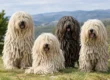
Pick the Komondor if you have rural space and want a devoted livestock guardian; pick the Puli if you want a smaller, agile herding partner for an active family. Both come from Hungary and both wear famous corded coats, but they were built for opposite jobs, and that single difference should steer your choice more than their shared dreadlock look.
This guide compares the two breeds on size, temperament, coat care, instinct, and home suitability, so you can match the right dog to your life before you ever reserve a puppy.
How Do the Komondor and Puli Differ in Size and Job?
The Komondor is a giant guardian and the Puli is a medium herder, and their measurements show it plainly. Komondors stand 26 to 35 inches and weigh 57 to 100 pounds, while Pulik stand 15 to 18 inches and weigh 20 to 43 pounds (Wisdom Panel, 2026). A heavy Komondor can outweigh a Puli four to one.
That size gap follows their work. The Komondor was bred to live alongside sheep and face down wolves and bears, so it needed mass and presence. The Puli was bred to run, turn, and drive large flocks across rough terrain, so it stayed light and quick (Wisdom Panel, 2026).
Temperament tracks the jobs too. Komondors are calm, independent, and territorial by instinct. Pulik are busy, vocal, and people-oriented, happiest when they have something to do with you.
A quick side-by-side
| Trait | Komondor | Puli |
|---|---|---|
| Height | 26-35 in | 15-18 in |
| Weight | 57-100 lb | 20-43 lb |
| Lifespan | 10-12 yr | 10-14 yr |
| Core role | Livestock guardian | Herding dog |
| Typical color | White | Usually black |
Source: Wisdom Panel breed profiles, 2026.
What Are Their Corded Coats Really Like to Care For?
Both breeds grow natural cords, and both demand serious hands-on care rather than brushing. The coats start soft and curly in puppies, then a woolly undercoat tangles with a coarser outer coat to form tassel-like cords as the dog matures (Wisdom Panel, 2026). A Puli's cords can take up to five years to reach the ground.
You never brush a corded breed. Instead you separate the forming cords by hand, pulling apart the matting at the roots so the coat splits into defined ropes rather than one solid felted mass. Miss this during the first year or two and the coat can mat permanently.
Bathing is its own project. A full corded coat holds water like a sponge, so drying can take a day or more, and trapped moisture invites skin problems if you rush it. Many owners schedule baths carefully and use directed air to dry down to the skin.
The Komondor's white coat and the Puli's typically black coat both trace back to the field. The white helped the Komondor blend with the flock it guarded, while the Puli's darker cords shed weather during long herding days.
If you want a low-grooming dog, neither breed fits. Budget real weekly time for cord maintenance, or budget for a groomer who knows corded coats, because generic grooming can ruin the cording.
Guarding Versus Herding: What Changes for the Owner?
The instinct split is the heart of this comparison. The Komondor is a livestock guardian dog, bred to protect sheep rather than move them, while the Puli is a true herder bred to gather and drive flocks (Wisdom Panel, 2026). That difference shapes daily life with each dog.
A guardian thinks for itself. The Komondor was expected to stay with a flock for days without direction, make its own calls about threats, and act decisively. That independence makes the breed deeply loyal but also strong-willed and naturally suspicious of strangers.
A herder takes direction and gives feedback. The Puli reads your cues, responds fast, and often "herds" whatever is handy, including other pets and children, usually with a gentle nudge rather than force. It wants a working relationship, not a solo post.
For you, that means the Komondor needs confident, consistent leadership and early, thorough socialization so its protective drive stays measured. The Puli needs mental and physical outlets, training games, and company, or its energy turns into barking and mischief.
Neither instinct switches off in a pet home. You are choosing a guardian's wariness or a herder's drive, and both require an owner who respects what the dog was built to do.
Which Breed Fits Your Living Space and Family?
Living space is often the deciding factor. The Komondor's size and guardian temperament suit a house with secure outdoor room and, ideally, a real job, while the Puli's smaller frame and adaptability let it fit active suburban and even some urban homes. Match the dog to the space you actually have, not the space you wish you had.
A Komondor in a small apartment is a poor fit. It wants territory to patrol and can be too much dog, and too protective, for tight quarters with constant foot traffic. Give it a fenced yard, clear boundaries, and a family it can bond to tightly.
The Puli is far more flexible. Its energy needs a daily outlet through walks, play, and training, but its size means it can live comfortably where a giant guardian cannot. It does best with people around and tends to attach to the whole family.
Both breeds bond hard and dislike being left alone for long stretches. If your household is empty most of the day, neither is an easy pick, though the Puli's trainability gives you more tools to manage it.
Think honestly about children and visitors. A well-socialized Puli often loves family bustle. A Komondor can be wonderful with its own kids yet guarded with strangers, so you must manage introductions and supervise young visitors.
How Do You Choose the Right Breed for Your Home?
Start with the job you want the dog to do, then work down to space, time, and experience. If you want a protective presence for property and livestock and you can lead a strong-willed independent dog, lean Komondor. If you want an athletic, trainable companion for an active family, lean Puli.
Grade yourself honestly on three things. First, space: acreage and a fence favor the Komondor, while a busy household with daily outings favors the Puli. Second, grooming time: both coats are demanding, so if you cannot commit hours, reconsider either breed. Third, experience: first-time owners generally fare better with the more biddable Puli.
Then weigh companionship style. A Komondor offers steady, watchful devotion and will treat your home as its post. A Puli offers interactive, almost conversational partnership and wants to be in the middle of family life.
Whichever way you lean, buy from a program that health-tests its dogs and can show pedigree and export documentation, since both breeds are uncommon and quality varies widely. Reputable kennels such as Mykomondors breed Komondor puppies with export pedigrees and health testing for international buyers, which is the standard you should expect from any serious source.
If the Komondor is your front-runner, know the real cost before you commit. Our guide to Komondor puppy price in 2026 breaks down what a health-tested, pedigreed puppy should cost and what drives the numbers, so you can set a realistic budget and spot red flags before you reserve a dog.
Frequently asked questions
Is a Komondor or a Puli easier for a first-time owner?
The Puli is generally the easier first dog. It is smaller, more trainable, and thrives on activity and family interaction. The Komondor is an independent guardian with a strong protective drive that needs experienced, confident handling.
Do both breeds really have dreadlock coats?
Yes. Both the Komondor and the Puli grow natural cords from a soft undercoat tangling with a coarser outer coat. The cords form over several years and require regular hand-separation rather than brushing.
Which breed is bigger, the Komondor or the Puli?
The Komondor is far larger. It stands 26 to 35 inches and can reach 100 pounds, while the Puli stands 15 to 18 inches and tops out around 43 pounds (Wisdom Panel), roughly a quarter of a large Komondor's weight.
Are Komondors and Pulik good with children?
Both can be. The Puli often herds children gently and enjoys family play. The Komondor is devoted to its household but wary of strangers, so early socialization and supervision around visiting kids matter.
How long do these Hungarian breeds live?
The Komondor typically lives 10 to 12 years and the Puli 10 to 14 years (Wisdom Panel). Both are reasonably hardy working breeds when kept at a healthy weight and given proper coat care.