
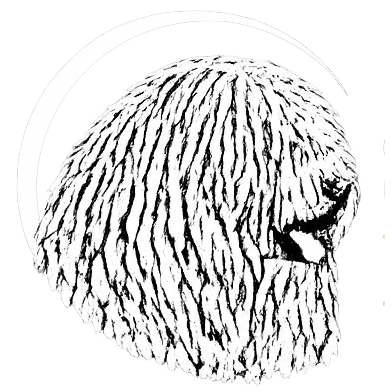


A Komondor reservation is not a quick online purchase. It is the beginning of a relationship with a powerful Hungarian guardian dog whose character, structure, pedigree, and early upbringing will shape the next decade or more of your life. Knowing how to reserve a Komondor litter means looking beyond a deposit and choosing a breeder whose standards protect both the breed and your future dog.
For serious owners, the right puppy is worth waiting for. A well-bred Komondor should carry the unmistakable qualities that made this breed a Hungarian national treasure: sound body and movement, a correct protective nature, a strong and balanced temperament, proper coat potential, and documented ancestry. These qualities cannot be confirmed by a single photograph or promised by a low price.
First, Understand What You Are Reserving
In most cases, prospective owners reserve a place on an upcoming or newborn litter, not a specific puppy immediately. At the time a breeding is planned or puppies are very young, a responsible breeder may not yet know which puppy will be best suited to a particular home. Sex, temperament, working potential, conformation, and export timing all deserve consideration.
This approach is especially valuable with a guardian breed. The most outgoing puppy is not automatically the best choice, nor is the quietest puppy necessarily the gentlest adult. A knowledgeable breeder observes the litter over time and can help match each puppy to the right environment, whether that is a family property, livestock setting, experienced guardian-dog home, show prospect, or future breeding program.
Be clear about what the reservation represents. Ask whether it secures your position in line, a preferred sex, a particular litter, or a puppy selected later by the breeder. Honest terms prevent disappointment and show that the breeder is managing placements with care rather than simply selling puppies as quickly as possible.
How to Reserve a Komondor Litter Responsibly
The reservation process should begin with a detailed conversation, not a payment request. A committed breeder will want to understand your experience with large dogs, your daily environment, fencing, family structure, other animals, and expectations for the dog. This is not an obstacle. It is a sign that the breeder takes lifelong placement seriously.
A Komondor is deeply loyal and naturally protective. With proper socialization and leadership, the breed can be a devoted family companion and a serious guardian. But this is not a dog for an owner seeking automatic friendliness with every visitor, dog, or unfamiliar situation. Your breeder should speak plainly about the breed’s independence, maturity, training needs, territorial instinct, and coat maintenance.
Once the breeder believes there is a suitable fit, request clear information about the planned parents or the litter already on the ground. A trustworthy reservation should be supported by transparent answers, documented health practices, pedigree details, and a written understanding of the next steps.
Study the Parents, Not Only the Puppies
Beautiful puppy photos can be charming, but the parents tell a more meaningful story. Ask about their temperaments, health records, structure, working character, and pedigrees. In a heritage breed such as the Komondor, bloodline knowledge matters because it connects the puppy to generations of breeding decisions.
Champion Hungarian bloodlines can be an important indicator of breed commitment, particularly when they are paired with responsible evaluation rather than used as a marketing phrase. The goal is not simply a famous name on a pedigree. The goal is a Komondor that reflects the original breed type: substantial but agile, stable and watchful, correctly coated, and physically sound.
Ask how the breeder chooses pairings. Thoughtful breeders can explain what they hope to preserve or improve through a mating, whether that involves temperament, head type, movement, coat quality, health, or the continuation of valued traditional lines. Their answer should be specific and calm, not vague or defensive.
Confirm Health Testing and Documentation
No breeder can guarantee that a living animal will never face a health issue. What a responsible breeder can do is make careful breeding choices, use appropriate health screening, maintain accurate records, and provide honest guidance about the breed.
Before placing a reservation, ask which health evaluations have been completed for both parents and what paperwork will accompany your puppy. For an internationally placed Komondor, documentation may include pedigree papers, veterinary records, identification information, and the health documents required for travel and import. The exact requirements depend on the destination country and can change, so confirm the current process before making plans.
A breeder should also explain registration and pedigree status clearly. If you are considering showing or breeding in the future, discuss that before reserving. A puppy intended for a companion home may be placed under different terms than a puppy selected for exhibition or a carefully evaluated breeding program.
Read the Reservation Terms Before Sending a Deposit
A reservation fee is a commitment on both sides. Read the terms carefully and ask questions before payment, especially if the puppy will travel internationally. You should understand the total expected cost, what the deposit covers, whether it is refundable or transferable, and what happens if the desired sex is not available or the planned breeding does not result in puppies.
Written terms should also clarify when final payment is due, when the puppy can leave, and whether transportation, travel crate, export preparation, veterinary certificates, or delivery arrangements are included or priced separately. There is no single arrangement that fits every buyer. A nearby owner may collect a puppy in person, while an international owner needs a breeder experienced in safe, lawful export planning.
Be cautious if you are pressured to pay immediately, discouraged from asking about parents, or offered an unusually low price without meaningful documentation. A rare, carefully bred Komondor is the product of years of knowledge, health investment, responsible rearing, and a breeder’s reputation. The lowest initial price can become costly if it comes with uncertain lineage, poor socialization, inadequate support, or missing paperwork.
Prepare Your Home While You Wait
The waiting period is useful. It gives you time to prepare for a serious guardian breed rather than reacting after the puppy arrives. Secure fencing is essential. A Komondor needs room to observe and move, but freedom without boundaries can create unnecessary problems. Plan where the dog will sleep, eat, rest, and safely meet visitors.
Begin learning about early training and socialization before your puppy comes home. Socialization does not mean encouraging indiscriminate greeting behavior. It means helping a Komondor experience the world with confidence, clear boundaries, and guidance. Puppy classes can be helpful when led by a trainer who understands guardian breeds and respects the dog’s natural reserve.
Coat care also deserves an honest plan. The famous corded coat is part of the Komondor’s identity, but it requires attentive maintenance. As the coat develops, owners must learn how to separate cords, keep the skin clean and dry, and manage bathing and drying properly. A good breeder will explain realistic coat care and remain available when questions arise.
Keep Communication Open With Your Breeder
After reserving, stay in respectful contact without expecting daily updates. Raising a litter properly demands time away from the phone. Quality breeders spend their days monitoring health, cleaning, feeding, socializing, evaluating development, and giving each puppy individual attention.
Meaningful updates may include growth photos, developmental observations, veterinary milestones, and guidance about final matching and travel timing. This communication should make you feel informed, but it should also reflect the breeder’s responsibility to the puppies first.
At Somogyi Betyár Kennel, the purpose of a reservation is not merely to place a Komondor in a new country. It is to place the right dog with an owner prepared to respect the breed’s heritage, intelligence, and protective nature for life.
A carefully chosen Komondor will not be defined only by its remarkable white cords or commanding presence. It will become a watchful member of your household, shaped by its breeding, its early care, and the steady relationship you build from the day it arrives. Reserve with patience, ask informed questions, and choose the breeder who treats every litter as part of the breed’s future.