
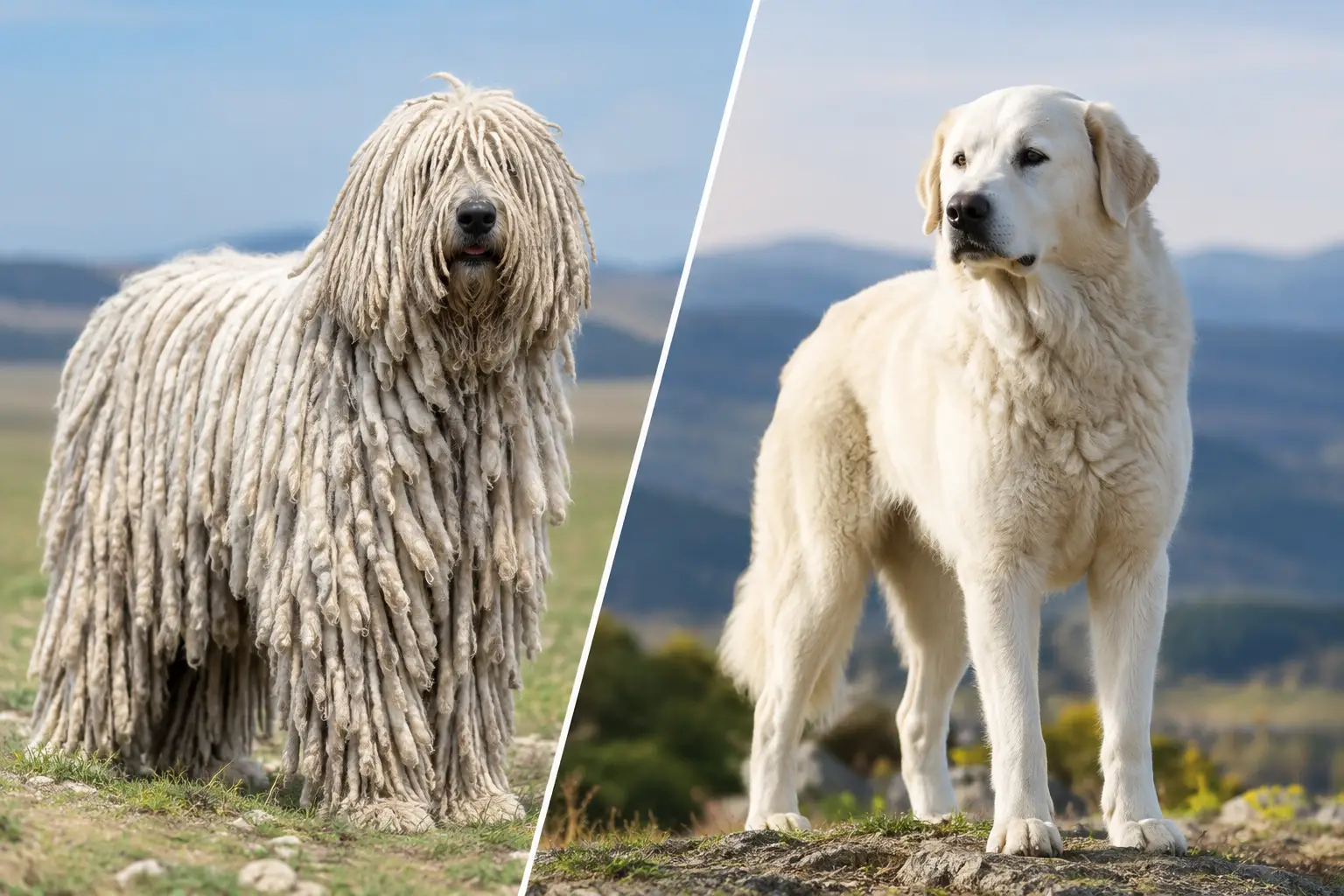
A livestock guardian is not simply a large dog that happens to be protective. It is a dog shaped over generations to assess its territory, make independent decisions, and stand between its flock and danger. That is why the Komondor vs Akbash question deserves more than a quick comparison of size or appearance. Both breeds can be devoted, impressive guardians, but they bring different histories, coats, working styles, and demands into a home or livestock operation.
For the right owner, either breed can be exceptional. For the wrong setting, either can become overwhelming. The best choice begins with an honest look at the work you expect from the dog, the management you can provide, and the kind of relationship you want to build over many years.
Komondor vs Akbash: Heritage Shapes the Dog
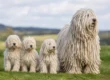
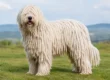
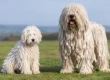
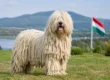
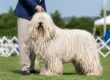
The Komondor is Hungary’s historic flock guardian, traditionally responsible for protecting sheep on the open plains. Its famous corded white coat is not decoration. It developed as practical protection from weather and predator bites while helping the dog blend among livestock. A correct Komondor carries this heritage in both body and mind: powerful, purposeful, watchful, and deeply committed to its own people and territory.
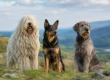
The Akbash comes from Turkey and is also a serious livestock guardian. Usually white, longer-legged, and more lightly built than the Komondor, the Akbash was developed to cover ground efficiently and guard flocks in varied terrain. Individual dogs vary considerably, as they do in every guardian breed, but the Akbash often presents a more athletic, somewhat more mobile outline.
Neither breed should be selected as a novelty. Their history is the reason they are valuable, but it also explains why they need owners who respect independence, territorial instinct, and mature judgment. These are not breeds designed to greet every visitor with equal enthusiasm or wait for constant instruction before responding to a perceived concern.
Temperament: Similar Purpose, Different Expression
A well-bred Komondor is calm, self-assured, and discerning. At home, many are surprisingly composed and affectionate with their family. They tend to observe first rather than make unnecessary commotion. Yet their reserve with strangers is genuine, and their instinct to protect should never be mistaken for a casual personality trait that can be trained away.
The Akbash is also often reserved and highly aware of its surroundings. Many owners find the breed more openly agile and reactive to movement across a large property, while the Komondor may project a quieter, more immovable presence. This is not a rule for every individual dog. Sound breeding, early socialization, responsible handling, and the dog’s daily environment all matter enormously.
For families, the critical question is not which breed is friendlier. It is whether the adults in the home can manage a guardian breed responsibly. Children must be taught to respect the dog’s resting space and food, and visiting children should never be left to navigate a powerful guardian unsupervised. A stable Komondor can be a loving family member, but love does not remove the need for thoughtful boundaries.
A puppy’s early experiences matter, but socialization is not the same as turning a livestock guardian into a social butterfly. The goal is a confident adult that can encounter normal people, places, sounds, and handling without fear or chaos. It is not to erase the breed’s natural discernment.
Working Ability and Property Needs
Both breeds can guard livestock, but success depends on far more than breed name. Young guardian dogs need gradual, supervised introductions to stock. They need secure fencing, appropriate livestock, and owners who understand that maturity takes time. A puppy placed alone with vulnerable animals and expected to know its job immediately is being set up to fail.
The Komondor is particularly valued by owners who appreciate a strong, substantial guardian with a measured, serious style. On a farm, that can mean a dog that settles into its territory and takes ownership of the animals and people within it. Its heavy coat and imposing silhouette are part of an unmistakable traditional presence.
An Akbash may appeal to an owner who wants a more lightly framed guardian with speed and endurance across larger or more open acreage. However, a lighter build does not mean an easier dog. Akbash dogs still require secure containment, clear routines, and owners capable of managing a dog that makes independent choices.
For suburban living, both breeds demand caution. A large fenced yard alone is not a complete plan. Guardian breeds may bark at night, patrol boundaries, and respond to neighborhood activity that a typical companion breed would ignore. Owners must consider local regulations, nearby homes, delivery visitors, and the practical reality of safely introducing the dog to people entering the property.
Coat Care Is a Meaningful Difference
The Komondor’s coat is one of the most distinctive in the dog world, and it requires educated care. As the coat develops cords, the owner must separate them by hand so they do not form solid mats. Bathing a mature corded Komondor takes planning, and complete drying is essential. The coat should be preserved and maintained correctly, not clipped off for convenience whenever grooming becomes difficult.
This does not mean the Komondor is unsuitable for every serious owner. It means coat care must be accepted as part of ownership from the beginning. Many people find the process rewarding because it connects them directly to the traditional form of the breed. But it is a commitment, especially in humid climates or during wet weather.
The Akbash generally has a double coat that sheds heavily, particularly seasonally. Routine brushing is simpler than cord separation, but the amount of loose white hair can be substantial. In practical terms, the Akbash coat often requires less specialized technique, while the Komondor coat requires more specialized stewardship.
Training, Management, and Maturity
Neither the Komondor nor the Akbash responds best to harsh, repetitive training. These dogs are intelligent, but their intelligence was developed for independent work. They benefit from calm consistency, fair limits, and an owner who does not confuse force with leadership.
Basic obedience, leash manners, handling tolerance, recall work within safe expectations, and controlled introductions should begin early. Still, owners should not expect the eager compliance of a retriever or herding breed. A guardian’s pause before acting can be judgment, not stubbornness.
Maturity is another consideration. Large guardian breeds develop physically and mentally over time. Adolescence can test even experienced owners, particularly when a young dog begins to take its protective role seriously. Choosing a breeder who understands breed temperament, evaluates breeding dogs carefully, and remains available for guidance is not an extra. It is part of responsible ownership.
At Somogyi Betyár Kennel, preservation begins with the understanding that a Komondor should remain a Komondor: correctly structured, health-conscious, stable in temperament, true to Hungarian heritage, and capable of the purpose for which the breed was entrusted to us.
Choosing the Dog, Not Just the Description
Choose a Komondor if you are drawn to the traditional Hungarian guardian, can commit to proper corded-coat care, and want a powerful, composed dog with a profound presence. Choose an Akbash if its lighter, more athletic form and typical range-oriented working style better suit your property and management approach.
But do not choose either breed solely because it appears majestic in photographs or because you want a dog that will make strangers think twice. Protection is a serious inherited responsibility. The right guardian is produced through careful breeding, raised with intention, placed honestly, and managed well throughout life.
The most rewarding choice is the one that respects the dog’s original purpose. Give a true guardian secure boundaries, patient guidance, meaningful work, and a family worthy of its trust, and its loyalty becomes something far deeper than an impressive first impression.