
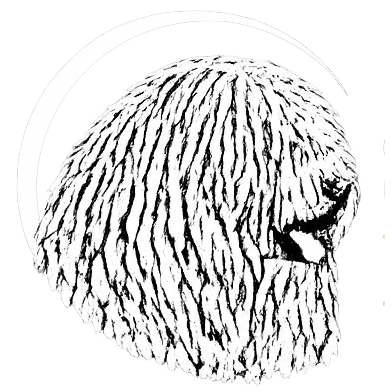


A Komondor puppy may look unforgettable, but the decision to buy a Hungarian Komondor puppy should begin with far more than the famous corded coat. This is a large, independent guardian breed shaped over centuries to think for itself, protect its home, and remain loyal to its own people. The right puppy can become a deeply devoted companion and a serious presence on your property. The wrong match, or the wrong breeder, can leave an owner unprepared for a dog whose instincts and size demand knowledgeable leadership.
For international buyers, Hungary remains the natural source for authentic Komondor bloodlines. Yet country of origin alone is not a guarantee of quality. A responsible choice depends on the individual breeding program, the documented pedigree, the health and temperament of the parents, and the breeder’s commitment long after a puppy leaves home.
What It Means to Buy a Hungarian Komondor Puppy
The Komondor is not a generic large-breed pet. It is Hungary’s historic livestock guardian, developed to assess situations calmly and act with confidence when protection is required. A well-bred Komondor should be steady, observant, loyal, and naturally reserved with strangers without being unstable or needlessly aggressive.
This distinction matters when choosing a puppy. Protective instinct should never be confused with poor nerves. A puppy from sound, traditionally bred parents has the foundation to mature into a composed guardian when raised with consistent training, thoughtful socialization, and clear household rules. No breeder can promise that every adult dog will suit every lifestyle, because environment and handling matter greatly. But careful selection gives a family the right starting point.
A prospective owner should also be realistic about daily life with this breed. Komondors grow into powerful dogs, often weighing well over 80 pounds. They are intelligent but not eager-to-please in the way many sporting breeds are. They need respectful, confident guidance rather than harsh methods or constant drilling. Their coat is remarkable, but it requires deliberate care as it forms cords. This is a breed for people who value independence, presence, and authentic guardian character.
Choose Bloodlines Before You Choose a Puppy
A photograph can show an appealing white puppy. It cannot show the quality behind that puppy. When evaluating a litter, begin with the breeding dogs and the breeder’s purpose. Ask whether the parents have documented pedigrees, recognized show results or working aptitude, and health information appropriate to the breed. A pedigree is more than a certificate. It is the record that allows buyers to understand the ancestry behind structure, coat, temperament, and breed type.
Champion Hungarian lines can be especially meaningful when the breeding program protects the traditional Komondor rather than chasing novelty, volume, or convenience. Correct type includes more than the white coat. It includes strong bone, balanced movement, a proper head and body, sound construction, and the calm dignity that makes a Komondor recognizable even before its cords develop.
Temperament deserves equal attention. Ask how the parents behave around their family, visitors, other dogs, and unfamiliar situations. The answer should be specific and candid. A serious breeder knows each adult dog’s character and will explain both the strengths of a pairing and the kind of home most likely to help the puppies thrive.
Health Records Are Part of Responsible Breeding
Health testing and veterinary care are not optional details to be mentioned only after payment. A breeder should be prepared to discuss the health practices used in the program and provide clear documentation where appropriate. Buyers should also expect truthful conversation about the realities of any purebred dog. Responsible breeding reduces avoidable risk, but it does not create guarantees against every future medical issue.
The better question is whether the breeder makes careful decisions, monitors the health of breeding dogs and offspring, and takes responsibility for the future of the line. That long-term discipline is the difference between placing puppies and preserving a breed.
How to Identify a Responsible Hungarian Breeder
Distance can make buyers vulnerable to polished advertisements and vague promises. A trustworthy breeder responds with evidence, consistency, and genuine knowledge of the dogs. They can explain why a particular mating was planned, describe the puppies’ early environment, and speak clearly about transport, documents, and timing.
Look for a breeder who raises puppies with hands-on attention and evaluates each home carefully. A Komondor should not be sold as an impulse purchase simply because a buyer can pay quickly. The breeder should want to know about your property, family, previous dog experience, local regulations, expectations for visitors, and plans for training and containment. Those questions protect both the puppy and the buyer.
Somogyi Betyár Kennel approaches each placement as a responsibility to the dog, the breed, and the future owner. For a heritage guardian breed, personal guidance is not an added luxury. It is part of responsible breeding.
Be cautious when a seller cannot provide a verifiable pedigree, avoids questions about parents, pressures you to send funds immediately, or offers a puppy at a price that seems disconnected from documented breeding, veterinary care, and export preparation. Low cost is rarely a bargain if it comes without lineage, health transparency, breeder support, or reliable transport arrangements.
Buying From Hungary: Papers, Travel, and Preparation
A properly managed international placement is a process, not a rushed shipment. Before a puppy travels, the buyer should understand the pedigree documentation, veterinary records, identification requirements, age-appropriate vaccinations, and the import rules that apply in the destination country. Requirements can change, so the buyer must also confirm the current rules with the relevant authorities before finalizing travel plans.
Safe transport should prioritize the puppy’s welfare. The breeder should explain how the puppy will travel, what crate arrangements are used, what documents accompany the dog, and how the handover will take place. International shipping requires organization, but it should never feel mysterious. Clear communication gives the future owner confidence from reservation through arrival.
Timing matters as well. A puppy should not leave its litter prematurely simply to meet a buyer’s schedule. The early weeks with the mother and littermates teach important social skills, while responsible handling by the breeder helps puppies adjust to people, routine, and new experiences. The exact travel date depends on the puppy’s development and the legal requirements of the destination.
Prepare the Home for a Guardian, Not Just a Puppy
Your Komondor’s first months shape the relationship you will have for years. Before arrival, establish secure fencing, a calm sleeping area, a reliable veterinary relationship, and a plan for puppy socialization. Socialization does not mean encouraging every stranger to touch your dog. It means carefully teaching the puppy to experience the world with confidence and to look to you for direction.
Enroll early in training with a professional who understands guardian breeds and uses fair, structured methods. A Komondor needs boundaries, consistency, and meaningful exposure to normal household life. Introduce visitors thoughtfully. Teach leash manners before the puppy becomes physically strong. Do not wait for protective behavior to appear before deciding how your dog will be managed.
Coat care should begin as a routine before cords form. Young Komondor coats require regular attention to keep the developing texture clean and separated. Mature cords are not brushed like ordinary fur. They are maintained by hand, kept dry and clean, and checked carefully around the skin. Owners who appreciate the coat but cannot commit to its care should consider this honestly before choosing the breed.
The Right Buyer Is Part of the Breeding Decision
The finest pedigree cannot replace a suitable home. Komondors can live successfully with devoted families, on farms, and with experienced owners who value a naturally watchful dog. They are less suitable for people seeking an easygoing social butterfly, a dog that welcomes every guest without guidance, or a low-maintenance giant breed.
When you buy a Hungarian Komondor puppy, choose a breeder who will be direct about this reality. Honest guidance may include difficult questions, a waiting period, or a recommendation that a particular puppy is not the best fit. That is not a barrier to ownership. It is evidence that the breeder is protecting the dog and respecting your future life together.
The Komondor’s beauty may first capture your attention, but its character is what earns lasting devotion. Choose with patience, ask for proof, prepare with purpose, and you can welcome a true Hungarian guardian whose loyalty and presence will become part of your family story.